

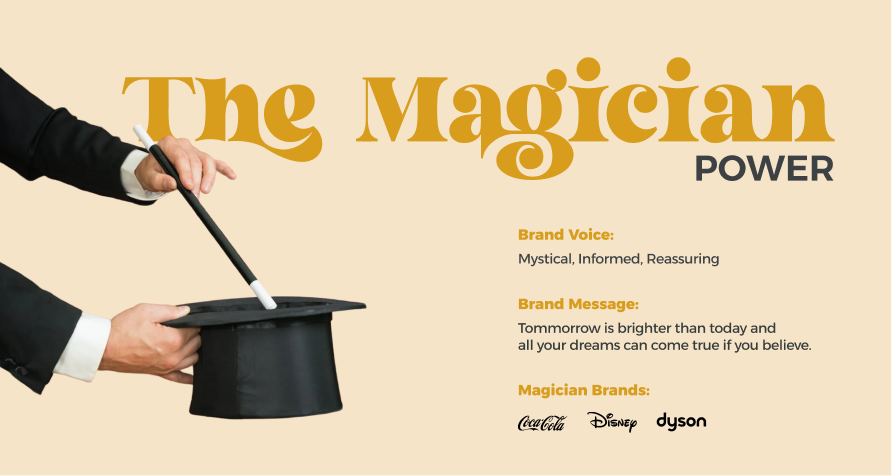
Explore the Magician archetype in branding and how Leo9 Studio uses transformation to build meaningful, future-ready brands.
“Magic is not about deception. It is about shifting perception.”
Some brands don’t fight for attention. They change how people see, feel, and believe. They take something familiar and reveal a new possibility inside it. That quiet shift is where the Magician archetype lives.
In branding, the Magician archetype is about transformation, possibility, and meaning. These brands don’t just sell products or services. They promise a better outcome, a new reality, a sense that progress is not only possible but inevitable.
This article explores how the Magician archetype works in branding. You’ll understand its defining traits, strategic strengths, visual language, and design cues. We’ll also look at how brands can use this archetype intentionally and how Leo9 Studio applies Magician thinking to build brands that feel visionary, grounded, and enduring.
What Is the Magician Archetype?
The Magician archetype represents transformation. It is the force in branding that turns ideas into outcomes and belief into action. Magician brands don’t just offer solutions. They change how people understand what’s possible.
At its emotional and psychological core, the Magician archetype lives by one promise: anything can happen. It speaks to audiences who are curious, ambitious, and ready for change. These brands reassure people that complexity can be mastered and that progress is not accidental, but designed.
This archetype works especially well in modern branding because we live in a world defined by rapid change. Technology, data, and innovation have reshaped expectations. Audiences no longer want incremental improvement. They want brands that can guide them through transformation with clarity and confidence.
Unlike the Hero, who overcomes obstacles through force, or the Creator, who focuses on self-expression, the Magician is outcome-driven. Its power lies not in visibility or performance, but in its ability to reshape reality and make transformation feel achievable quietly.
Signature Traits of the Magician Archetype in Brands
The magician archetype is defined by its ability to see beyond the obvious. Brands that embody this archetype operate from insight rather than impulse. They don’t react to trends. They anticipate shifts and shape new realities for their audience.
Visionary thinking
– Sees future possibilities before they become mainstream
– Positions the brand as a guide, not a follower
– Frames innovation as a natural evolution
Insight and wisdom
– Communicates with depth and understanding
– Simplifies complexity without diluting meaning
– Builds authority through clarity, not noise
Innovation with purpose
– Every innovation supports transformation
– Avoids novelty for novelty’s sake
– Connects ideas directly to outcomes
Ability to shift perception
– Changes how people view a problem or opportunity
– Reframes limitations as possibilities
– Transforms feel accessible and believable
Strengths and Risks of the Magician Archetype
When used with clarity and discipline, the magician archetype can move a brand into true leadership. When used loosely, it can just as quickly lose credibility. Its power lies in how carefully it is handled.
1. Builds Deep Emotional Loyalty
The magician archetype creates belief, not just satisfaction. When audiences feel transformed rather than sold to, relationships shift from transactional to long-term. The risk comes when a belief is promised but not reinforced through experience.
2. Supports Premium Positioning
Transformation justifies value. Magician brands sell outcomes, not features, which allows for premium perception and pricing. But when the transformation is vague or exaggerated, audiences begin to question whether the value is real.
3. Inspires Trust Through Vision
A clear, confident vision helps audiences feel guided and secure. Trust grows when promise and delivery align consistently. Without that alignment, big ideas can quickly feel like empty ambition.
4. Enables Category Leadership
The magician archetype allows brands to define new standards instead of competing within existing ones. However, constant innovation without clarity can feel unstable, making leadership seem uncertain rather than visionary.
5. Requires Consistent Meaning
This archetype depends heavily on repetition and reinforcement. Inconsistent messaging or overly mystical language weakens belief. Magic only works when people understand what’s changing and why it matters.
When grounded in strategy and execution, the magician archetype creates wonder that lasts. When it isn’t, it risks becoming an illusion rather than a transformation.
Visual Identity for Magician Brands (Design Elements)
The visual identity of a magician archetype brand is not decorative. Every design choice exists to support transformation. The goal is to make complexity feel intuitive and possibility feel tangible, without tipping into fantasy or excess.
Color Palette
Colors used by magician archetype brands often signal depth, intelligence, and wonder rather than loud emotion.
a) Deep, rich tones that suggest insight and authority
b) High-contrast combinations that create visual focus
c) Accent highlights used sparingly to signal moments of transformation
d) Palettes that feel immersive rather than trendy
Typography
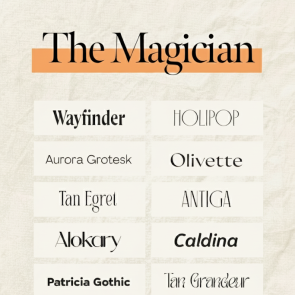
Typography in magician brands balances clarity with sophistication.
– Clean, refined typefaces that communicate intelligence
– Serif fonts often used for credibility and wisdom
– Sans-serif fonts used for modernity and accessibility
– Subtle expressive touches reserved for headlines or key moments
Imagery
Imagery plays a crucial role in reinforcing transformation.
– Visual metaphors that suggest change, evolution, or revelation
– Abstract forms that spark curiosity without confusion
– Emotional imagery that feels aspirational rather than staged
– Visual storytelling that invites interpretation
Design Language
The design language of a magician archetype brand feels intentional and considered.
– Purposeful layouts that guide attention smoothly
– Generous use of space to create clarity and focus
– Motion and interaction are used to reveal meaning, not distract
– Experiences designed to unfold rather than overwhelm
Magician Archetype in Action: Brand Examples
Brands that successfully use the magician archetype don’t rely on spectacle alone. They combine vision, execution, and belief to create experiences that feel transformative and enduring.
Dyson turns engineering into transformation. What could have been invisible technology is made central to the brand story. Complex mechanics are reframed as elegant solutions that improve everyday life. Dyson doesn’t sell appliances. It sells the promise that better thinking can reshape the ordinary.
Disney is perhaps the purest expression of the magician archetype. It doesn’t just entertain. It builds worlds. From films to theme parks, Disney creates immersive realities where imagination feels tangible. The brand’s power lies in its ability to make people believe, across generations, that wonder is something you can return to.
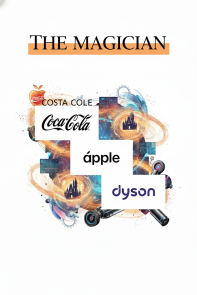
Coca-Cola transforms a simple drink into an emotional experience. Through storytelling, nostalgia, and cultural moments, it reframes consumption as connection and joy. The product stays the same, but the meaning evolves. That ability to shift perception is what places Coca-Cola firmly within the magician archetype.
Apple consistently turns complex technology into intuitive experiences. Its design philosophy removes friction, making innovation feel natural rather than intimidating. Apple doesn’t position itself as a tech company alone. It positions itself as a guide, helping users step into a more empowered and creative future.
How to Apply the Magician Archetype in Brand Strategy
Using the magician archetype effectively requires discipline. It is not something that can be layered onto a brand without strategic alignment.
- Define the Transformation
– Clearly articulate what changes for the user
– Focus on outcomes, not offerings
– Make the transformation specific and believable - Build the Belief System
– Align messaging, proof points, and storytelling
– Reinforce trust through consistency
– Show progress, not just promise - Craft the Visual and Verbal Identity
– Ensure every touchpoint reflects the archetype
– Align design, language, and experience
– Avoid mixed signals from conflicting archetypes - Balance Magic With Credibility
– Pair wonder with logic
– Support vision with evidence
– Remember that trust is what makes magic believable
When applied with care, the magician archetype becomes a strategic lens that guides not just branding, but how a business thinks, communicates, and evolves.
How Leo9 Studio Applies the Magician Archetype in Brand Strategy
At Leo9 Studio, the Magician archetype is not treated as a visual style or a creative flourish. It is approached as a strategic mindset rooted in transformation, clarity, and long-term impact. The focus is never on creating spectacle, but on designing belief through intention and execution.
Brand Strategy Philosophy
Leo9 begins with transformation, not features. The emphasis is on what changes for the user, not what the brand claims to offer. Strategy is shaped around outcomes, perception shifts, and the role a brand plays in guiding people from where they are to where they want to be.
Messaging and Narrative
Stories at Leo9 are crafted to feel visionary yet grounded. Messaging avoids exaggeration and abstraction, instead anchoring ambition in insight and relevance. The aim is to make progress feel achievable and complex ideas feel human and clear.
Design Language Execution
Design systems are built to support meaning. Colour palettes are chosen for depth and clarity rather than trend appeal. Typography balances intelligence with accessibility. Visual storytelling is intentional, ensuring every element contributes to transformation, not decoration.
Experience Thinking
In UX and UI, the Magician archetype comes alive through experience. Interfaces are designed to reduce friction, reveal value gradually, and guide users with confidence. The journey unfolds with purpose, allowing users to feel assured rather than overwhelmed.
Outcome-Driven Approach
Impact at Leo9 is measured by transformation, not applause. Success is seen in clarity gained, trust built, and behaviour shifted. When people see more clearly, choose more confidently, and believe in what lies ahead, the work has done its job.
Because real magic doesn’t convince people to escape reality.
It helps them believe that a better one is possible.
Conclusion for Magician archetype
The Magician archetype is often misunderstood as spectacle or mystery. In reality, it is about intention. Real magic in branding is not performed. It is designed through insight, discipline, and consistency.
Brands that use the Magician archetype well don’t promise miracles. They create belief by delivering meaningful change, again and again. When vision is supported by execution, transformation becomes credible and lasting.
For brands ready to move beyond surface-level storytelling and into deeper impact, the Magician archetype offers a powerful framework. And when applied with care, it doesn’t just differentiate brands. It reshapes how they are experienced and remembered.
If you’re looking to build a brand that transforms perception, not just presence, Leo9 Studio helps turn vision into reality.
FAQs related to Magician archetype
The Magician archetype inspires by showing that change is possible. It reframes limitations as opportunities and helps people believe they can move toward a better outcome through insight, innovation, and clarity.
Magician brands feel visionary, intelligent, and calm. They are confident without being loud, curious without being chaotic, and inspiring without exaggeration. Their personality often blends wisdom with forward-thinking optimism.
The dark side appears when promise outweighs delivery. Over-mystification, vague language, or inflated claims can make the brand feel manipulative or untrustworthy. Without grounding, magic turns into illusion.
Psychologically, Magician brands appeal to people who seek transformation and meaning. They tap into curiosity, hope, and the desire for control over the future. Their power lies in making progress feel achievable and intentional rather than accidental.