


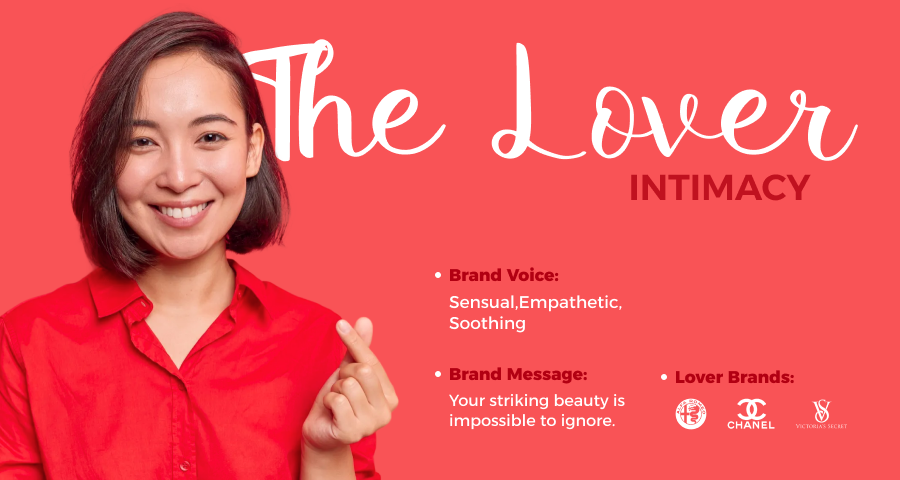
The Lover Archetype is about connection, not attention. Explore how brands use intimacy and emotion to build loyalty and meaning. Read the full blog.
“People will never forget how you made them feel.” Maya Angelou
People don’t fall in love with products. They fall in love with feelings. With moments of connection, recognition, and desire. That’s exactly why the Lover Archetype continues to hold power in modern branding.
At its core, the Lover Archetype is about connection, beauty, intimacy, and emotional closeness. It speaks to the part of human decision-making that logic cannot reach. While performance-driven brands focus on features, speed, and efficiency, Lover brands focus on how it feels to belong, to be chosen, to be understood.
In today’s saturated markets, where every brand is shouting for attention, emotional intimacy becomes the real differentiator. Brands that master the Lover Archetype don’t rely on loud messaging or constant persuasion. They attract by creating warmth, desire, and emotional resonance.
More than an aesthetic style, the Lover Archetype functions as a strategic lens. One that shapes how brands communicate, design experiences, and build long-term emotional loyalty.
What Is the Lover Archetype in Branding?
The Lover Archetype in branding represents brands that lead with emotion, intimacy, and human connection. Rather than competing on price, performance, or logic, Lover brands compete on how deeply they make people feel seen, valued, and emotionally engaged. Their primary motivation is not conversion alone, but connection.
At its core, the Lover Archetype exists to create:
1) Intimacy and closeness
2) Emotional connection
3) A sense of belonging
While often associated with romance, the Lover Archetype goes far beyond it. In branding, it expresses itself through:
1) Self-love, helping customers feel confident and attractive
2) Appreciation, making people feel chosen rather than targeted
3) Sensory pleasure, through design, texture, sound, and experience
4) Emotional validation, where customers feel understood
Lover brands want to be desired, but more importantly, they want their audience to feel desired. This mutual exchange of emotion is what builds trust and loyalty.
Strategically, the Lover Archetype is driven by emotions, rather than logic. It is relationship-focused, not transaction-focused. Its true strength lies in emotional memory. Long after features are forgotten, the feeling remains.
Core Traits of the Lover Brand Archetype
The Lover Archetype is defined by its ability to build emotional depth and foster lasting attachment. Its traits are not loud or aggressive. They are intentional, human, and deeply felt.
A) Emotional Intimacy
1) Focuses on closeness, warmth, and personal connection
2) The brand speaks to people, not at them
Lover brands communicate like a trusted presence. Their messaging feels personal, considerate, and emotionally aware. This intimacy creates comfort and familiarity, allowing audiences to form genuine bonds with the brand.
B) Sensuality & Sensory Appeal
1) Engages sight, touch, sound, taste, and overall mood.
2) Experiences matter as much as the product
The Lover Archetype understands that emotion is sensory. From packaging to digital interactions, every touchpoint is designed to feel immersive and pleasurable, not purely functional.
C) Passion & Desire
1) Represents indulgence, beauty, and emotional fulfilment
2) Makes customers feel attractive, confident, and valued
Lover brands sell desire without excess. They elevate everyday experiences into moments of pleasure and self-expression.
D) Beauty & Aesthetics
1) Strong focus on visual harmony, elegance, and refinement
2) Beauty is strategic, not decorative
Design becomes a tool for emotion, not embellishment.
E) Loyalty Over Reach
1) Prioritises depth of connection over mass visibility
2) Emotional loyalty outlasts short-term attention
Rather than chasing numbers, Lover brands build attachment. Their strength lies in repeat relationships, not fleeting attention.
The Emotional Promise of a Lover Brand
The Lover Archetype makes a clear emotional promise to its audience. It offers more than a product or service. It provides a feeling people want to return to.
What customers emotionally receive from Lover brands:
1) Feeling chosen, not targeted or marketed to.
2) Feeling understood, without having to explain themselves.
3) Feeling valued, beyond the transaction.
This emotional exchange is what sets the Lover Archetype apart. Customers don’t engage out of necessity. They engage because the brand makes them feel emotionally affirmed.
Because of this, the Lover Archetype naturally builds:
1) Long-term attachment, rooted in trust and affection
2) Repeat engagement, driven by emotional comfort
3) Positive emotional dependency, where the brand becomes part of personal routines or identity.
In contrast, rational brands compete on logic, price, or features. Lover brands compete on meaning. They sell feeling before function, emotion before efficiency. And that emotional memory is what keeps people coming back long after the purchase is complete.
Visual Identity & Brand Expression of the Lover Archetype
The Lover Archetype expresses emotion first through visuals. Design becomes the silent language that communicates intimacy, desire, and warmth before a single word is read. Every visual choice is intentional and emotionally loaded.
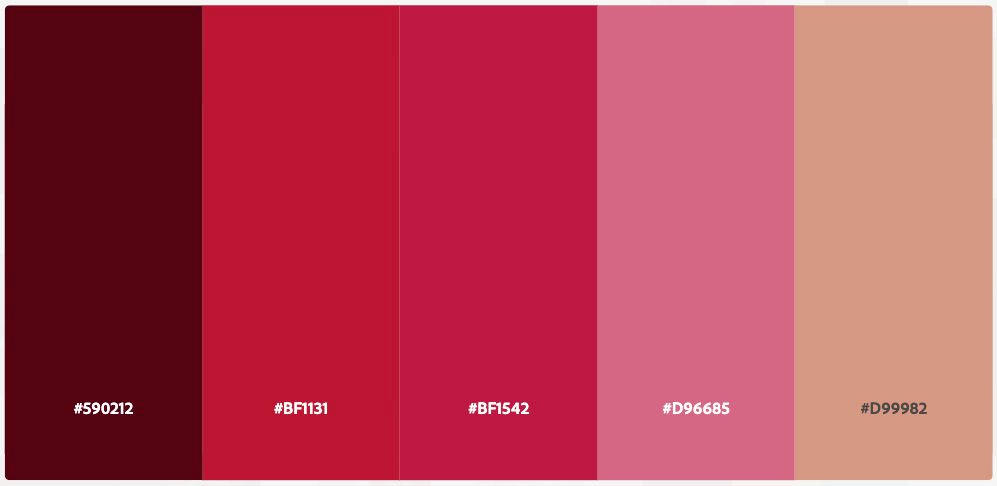
Colour palettes:
1) Warm, rich, and intimate tones
2) Often deep, muted, or luxurious rather than bright or loud
These colours create a sense of closeness and emotional comfort. They invite people in instead of demanding attention.
Brands like Chanel rely heavily on blacks, creams, golds, and soft neutrals to evoke timeless elegance and emotional depth. These colours don’t demand attention. They invite closeness.
Typography:
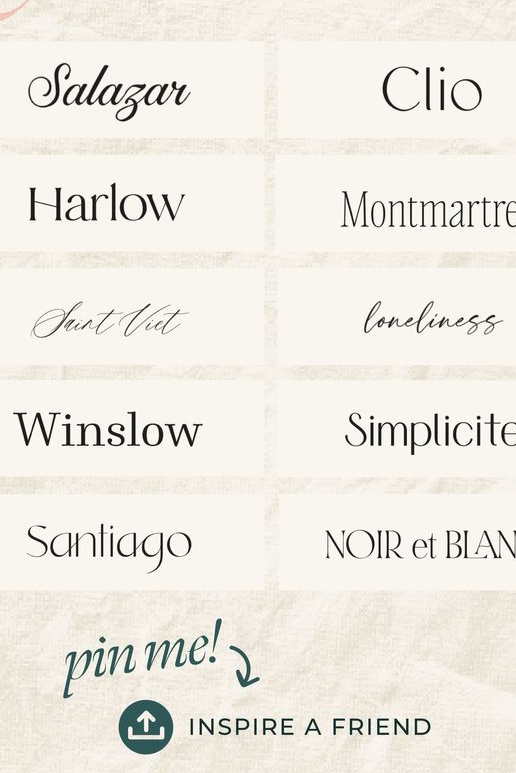
1) Elegant, soft, and expressive letterforms
2) Avoids harsh, sharp, or overly aggressive styles
Typography in the Lover Archetype feels refined and human. It supports emotion without overpowering it.
Tiffany & Co. uses refined serif typography that feels romantic and ceremonial, reinforcing emotional milestones rather than commercial intent.
Imagery:
1) Close-up compositions, human presence, tactile details
2) Less noise, more emotion.
Imagery focuses on feeling rather than scale. Textures, skin, light, and detail help create emotional immediacy.
Dior often uses close framing, skin textures, fabric movement, and soft lighting to create intimacy. The viewer feels inside the moment, not observing it.
Design language:
1) Inviting, immersive, and emotionally charged
Lover Archetype visuals are about mood creation, not decoration. Every visual element works together to make the audience feel desire, comfort, and emotional connection before they process the brand logically.
Brand Voice & Messaging: How Lover Brands Speak
The Lover Archetype speaks to emotion before reason. Its voice feels close, reassuring, and human. It doesn’t try to convince. It invites.
Tone
a) Warm, intimate, and evocative
b) Personal rather than promotional
For example, Chanel rarely speaks about product performance. Its messaging revolves around allure, confidence, and timeless beauty. The language feels whispered, not announced.
Language style
a) Emotion-driven storytelling
b) Focus on experiences, not specifications
Airbnb uses the Lover Archetype by describing how it feels to belong anywhere, rather than listing amenities. The experience becomes the message.
Messaging avoids
a) Aggressive selling
b) Over-technical explanations
Luxury chocolate brand Godiva never explains ingredients first. It leads with indulgence, gifting, and emotional reward.
Lover brands sound
a) Human
b) Gentle
c) Confident, but never loud
Consistency matters. From website copy to packaging and social media captions, the emotional tone remains uninterrupted, deepening trust at every touchpoint.
Industries Where the Lover Archetype Performs Best
The Lover Archetype performs best in industries where emotional connection plays a direct role in decision-making. In these categories, people don’t just buy for utility. They buy for how something makes them feel and what it says about them.
Fashion & luxury goods thrive on desire, aspiration, and self-expression. The Lover Archetype allows brands to position clothing and accessories as extensions of identity rather than mere products.
Beauty, skincare, and fragrance rely deeply on self-love, confidence, and sensory pleasure. Here, the Lover Archetype helps brands speak to transformation, ritual, and emotional care.
Jewellery and accessories are tied to memory, commitment, and milestones. The Lover Archetype naturally aligns with moments of love, celebration, and personal meaning.
Hospitality and lifestyle brands sell experiences, comfort, and belonging. The Lover Archetype turns stays, spaces, and services into emotional escapes.
Food and indulgence-driven products depend on pleasure and reward, while premium home and décor brands tap into intimacy and personal taste.
Across all these industries, emotion, aspiration, and personal identity drive choice more than logic.
Risks of Using the Lover Archetype Incorrectly
When used without strategy, the Lover Archetype can lose its emotional power and damage brand credibility. Its strength lies in authenticity. Without it, the archetype quickly feels hollow.
Becoming superficial or overly sensual without emotional depth:
When desire is shown without meaning, the brand feels shallow. Sensuality without emotion becomes visual noise rather than a genuine connection.
Confusing intimacy with exclusivity:
Intimacy should invite people in, not shut them out. When brands mistake emotional closeness for elitism, they risk alienating audiences who don’t feel “worthy” enough to belong.
Over-designing without a clear emotional narrative:
Beautiful visuals alone are not enough. Without a story or emotional intent, design becomes decoration, not communication.
Losing credibility by prioritising aesthetics over substance:
When style outweighs value, trust erodes. Customers may admire the brand, but won’t stay loyal.
The Lover Archetype must feel genuine, human, and emotionally grounded. Anything performative breaks the connection it’s meant to create.
How Brands Can Strategically Adopt the Lover Archetype
Adopting the Lover Archetype starts with intention, not aesthetics. Brands often mistake the archetype for a visual style, but its foundation is emotional clarity.
Start with emotional intent, not visual trends.
Before choosing colours or imagery, brands must understand what emotion they want to evoke. Desire without purpose quickly feels forced.
Define what kind of love or connection the brand represents.
Is it self-love, care, indulgence, comfort, or belonging? Clear emotional positioning helps the Lover Archetype feel specific rather than generic.
Build emotional consistency across touchpoints.
1) Design, to create mood and intimacy
2) Content, to tell emotionally aligned stories
3) Experience, to reinforce the connection through interaction
Balance desire with trust
A Lover brand should attract, not manipulate. Trust ensures the relationship feels safe and credible.
Focus on long-term emotional equity.
The Lover Archetype works best when nurtured over time, building lasting emotional loyalty rather than chasing short-lived campaigns.
How Leo9 Studio Applies the Lover Archetype in Brand Strategy
The way Leo9 Studio uses the Lover Archetype feels grounded, intentional, and deeply strategic. They don’t adopt Lover-style visuals just for beauty. They use them to build emotional attachment, trust, and meaning that lasts.
Leo9 studio treats the Lover Archetype as a strategic mindset, not a surface aesthetic.
Instead of starting with “pretty visuals,” Leo9 begins with emotional intent, what feeling the brand should evoke and why. This ensures emotion isn’t a veneer but a foundation.
Focus on understanding the emotional motivations of audiences.
Leo9 invests in behavioural research and neuromarketing to decode what drives people emotionally, so brands can speak directly to those feelings rather than generic design or messaging.
Translating intimacy into structured brand systems
Rather than isolated moments of beauty, Leo9 creates consistent emotional cues across every brand touchpoint from UI and content to layouts, journeys, and interactions. This approach builds a unified, emotionally resonant experience.
Balancing emotion with clarity
Leo9 doesn’t let emotional appeal overshadow accessibility or usability. Lover energy is used in the service of clarity and purpose, ensuring design feels intimate without confusing or overwhelming users.
Blending beauty with business goals
Unlike brands that use aesthetics alone, Leo9 aligns emotional design with conversion goals, user journeys, and strategic outcomes. Their work bridges connection and performance.
A strong example of this approach is the EROS project by Leo9 Studio:
– Built around the emotional core of love, intimacy, and human connection
– Visual language designed to evoke warmth, closeness, and desire
– Layout and interactions guide users naturally, without breaking emotional flow
– Product value is communicated through feeling, not force
– Brand philosophy is embedded into the experience, not explained separately
– Emotion and clarity work together, not in competition
A clear demonstration of the Lover Archetype applied at a strategic level, not just visually.
Explore the EROS case study and see how emotion-led branding is designed to last.
When this emotional strategy is executed well, something powerful happens: the brand is not just experienced, it is remembered.
Conclusion: The Lover Archetype Is About Belonging, Not Attention
The Lover Archetype is quietly powerful. It doesn’t rely on noise or constant visibility. Its strength lies in emotional depth and lasting connection. Desire may spark interest, but it’s connection that keeps brands alive in people’s lives. When emotion is genuine, it endures long after trends fade.
Brands that truly win hearts don’t chase validation. They create meaning people want to return to, again and again. That’s where loyalty is built.
If you’re ready to shape a brand that people feel connected to, not just aware of, Leo9 Studio helps translate emotion into strategy, design, and experiences that last. Let’s build a brand people don’t forget.
FAQS-
The Lover Archetype can become superficial if it relies only on sensual visuals without emotional depth. It can also feel exclusionary if intimacy turns into elitism or loses credibility if beauty outweighs substance.
The purpose of the Lover Archetype is to build emotional connection and belonging. It helps brands create loyalty by making people feel valued, understood, and emotionally connected.
No. The Lover Archetype goes beyond romance and includes self-love, comfort, indulgence, confidence, and emotional care.
Common types include the Romantic Lover, Sensual Lover, Self-Love Lover, and Aesthetic Lover. Each focuses on a different form of emotional connection while staying true to the same core intent.