


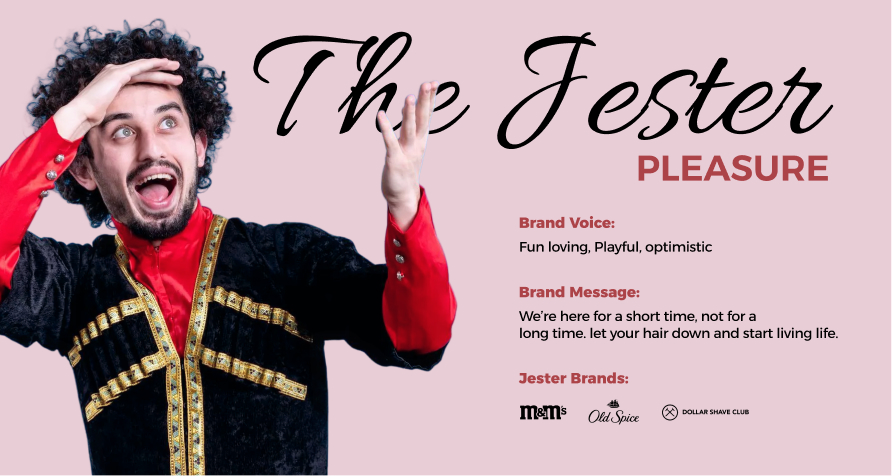
“Attention isn’t earned by being better. It’s earned by being more interesting.”
Most brands today compete on the same things. Better features. Better pricing. Better claims. And yet, they blur into each other.
Because people don’t just choose what works. They choose what feels engaging.
That’s where the Jester archetype stands out.
Instead of trying to impress, Jester brands make you feel something instantly. They bring humour, lightness, and unexpected perspective into spaces that are usually predictable or dull. And that shift is what makes them memorable.
In a world overloaded with serious messaging and constant noise, this approach cuts through faster than logic ever can.
But this isn’t about being funny for the sake of it. The real strength of the Jester lies in how it reframes everyday experiences and makes them enjoyable.
And that’s exactly why it continues to work. Not as a trend, but as a clear strategic advantage.
What Is the Jester Archetype in Branding?
The Jester archetype isn’t about being funny for attention. It’s about changing how people see things.
At its core, it uses humour to reframe ordinary or dull experiences into something engaging and memorable.
Unlike brands that occasionally use jokes, Jester brands are built on this mindset. Every interaction is designed to feel lighter, more human, and more enjoyable.
Because the goal isn’t just to entertain. It’s to make the brand feel less like a transaction and more like an experience.
Core Traits of the Jester Brand Archetype
Jester brands feel effortless, but they’re carefully designed to come across that way.
They are:
– Playful but intentional – fun with purpose, not randomness
– Witty and quick – sharp, not loud or forced
– Spontaneous in tone – but controlled in execution
– Relatable and human – easy to connect with
– Unpredictable enough to stay interesting
The key detail is this: they’re not chaotic. They’re structured to feel natural, which is what makes them work.
Visual Identity & Brand Expression of the Jester Archetype
Jester brands are designed to stand out instantly. Their visual identity reflects energy, movement, and a sense of fun that feels hard to ignore.
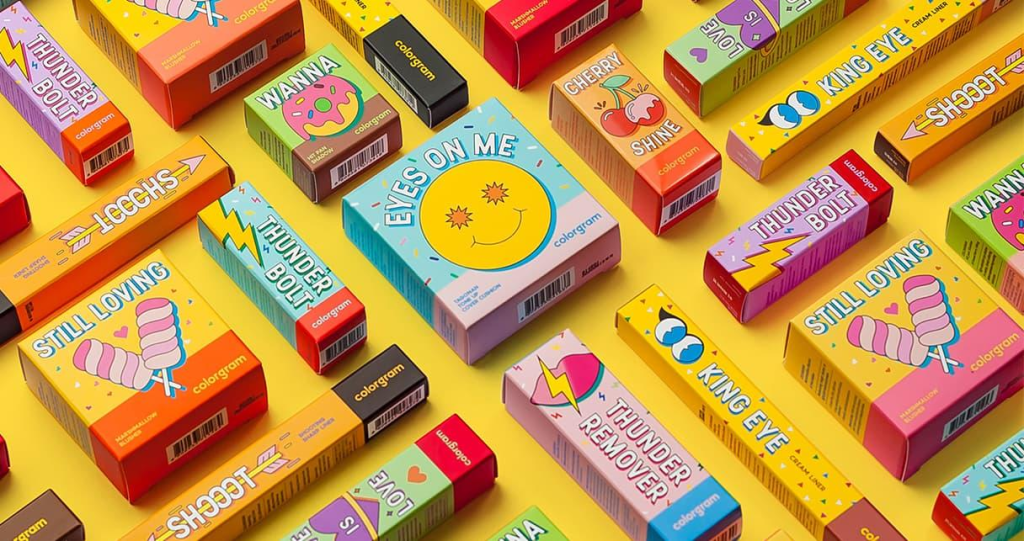
Colour Palette
Bright, high-contrast colours are a signature. Think bold yellows, reds, blues, and unexpected combinations. The goal isn’t subtlety, it’s visibility. These colours create immediate attention and reinforce a sense of playfulness.
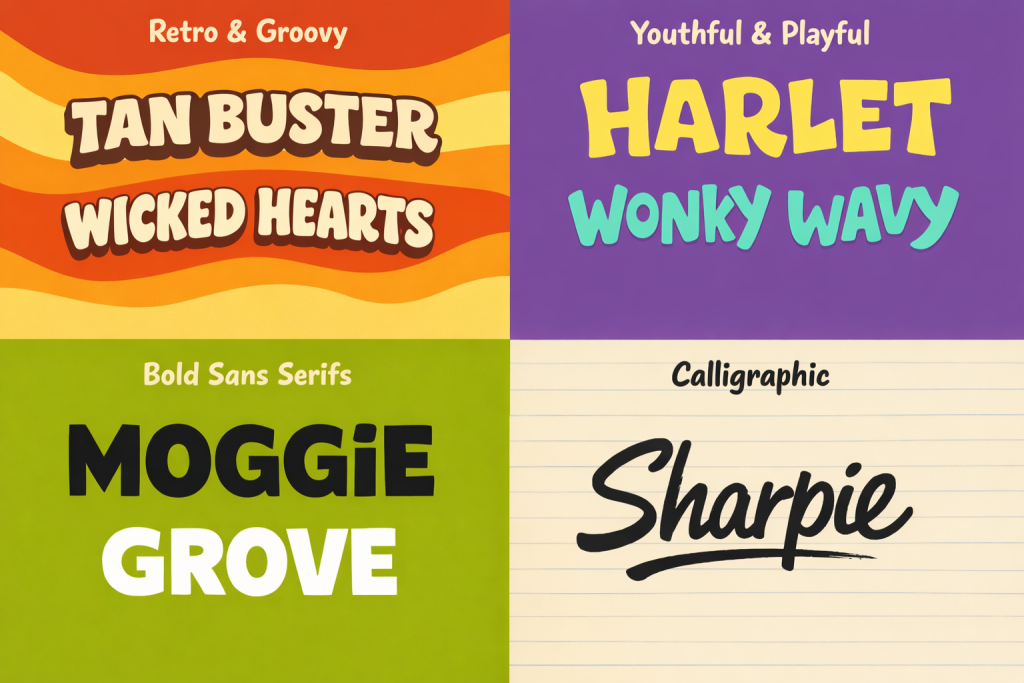
Typography
Fonts are expressive and approachable. Rounded edges, bold weights, or slightly quirky letterforms are common. Nothing feels rigid or overly formal. The type itself often carries personality, not just readability.
Imagery
Visuals lean toward exaggerated, humorous, or slightly surreal situations. Characters, mascots, or unexpected compositions are often used to create recall. The idea is to make people pause, not just scroll past.
Design Style
Layouts feel dynamic rather than strictly structured. There’s room for movement, experimentation, and creative breaks from traditional grids. It feels alive, not overly polished.
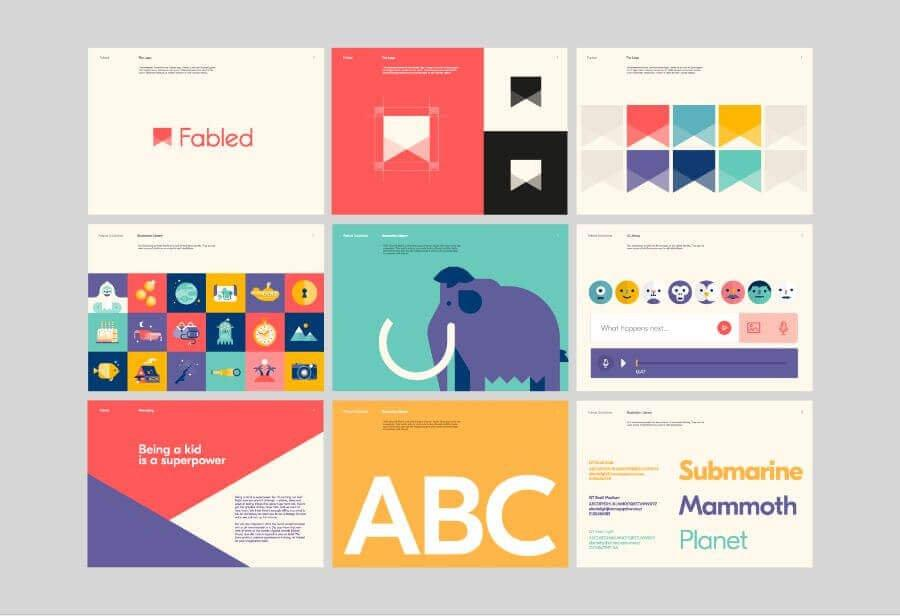
Everything works toward one goal: making the brand feel approachable, energetic, and instantly engaging.
Brand Voice & Messaging: How Jester Brands Speak
Jester brands don’t sound like brands. They sound like people you’d actually want to interact with.
Their tone is casual, witty, and energetic. Nothing feels overly polished or scripted. The language is simple, conversational, and often rooted in everyday situations.
But the difference lies in how they use humour.
Good Jester brands don’t force jokes. They find humour in real, relatable moments and exaggerate them just enough to make them memorable. That’s what makes the messaging feel natural instead of try-hard.
Their communication is:
– Light, but not meaningless
– Funny, but still clear
– Playful, but always intentional
Consistency is key here. Whether it’s an ad, a social post, or a product description, the tone stays aligned across touchpoints.
Because the goal isn’t just to entertain once. It’s to build a brand voice people recognise, remember, and enjoy coming back to.
Industries Where the Jester Archetype Performs Best
The Jester archetype works best in categories where products are either routine, low-involvement, or painfully boring. That’s where humour creates the biggest shift.
1. Food & Beverage (FMCG)
Brands in this space benefit from being memorable and shareable.
Think of how Skittles turns a simple candy into an absurd, surreal experience. It’s not about the product. It’s about making it fun to engage with.
M&M’s Built personality through characters. The product stayed the same, but the storytelling turned it into an ongoing entertainment experience.
2. Grooming & Personal Care
This category is often repetitive and predictable.
Old Spice completely flipped expectations by using exaggerated, bizarre humour. It didn’t just sell deodorant; it made the brand entertaining.
3. Quick-Service Restaurants (QSR)
Highly competitive, low differentiation. Perfect for Jester positioning.
Taco Bell uses humour consistently across campaigns, social media, and brand voice, making it feel culturally relevant and relatable.
4. Entertainment & Media
This is a natural fit.
Platforms like The Onion use satire and absurdity to reframe everyday news, turning information into entertainment.
5. “Boring” Categories (Insurance, SaaS, etc.)
This is where Jester becomes a real advantage.
Geico made insurance engaging through humour and storytelling, something the category rarely does.
Why does it work in these industries
Because in all these spaces:
– Products are easy to ignore
– Differentiation is weak
– Attention is hard to earn
Jester brands solve this by making people want to engage.
They take something functional and give it personality.
And that’s what turns passive categories into memorable ones.
How Leo9 Studio Applies the Jester Archetype in Brand Strategy
The Jester archetype works only when humour feels built into the brand, not added on later. That’s where most brands get it wrong, and where strategy makes the difference.
Take Must Be Nuts as an example.
Instead of following that pattern, the brand leaned into something more distinctive. Starting with its name itself, Must Be Nuts, the identity was shaped to feel playful, bold, and slightly cheeky.
The tone became funnier and wittier, moving away from rigid, fitness-heavy messaging. Visually, the brand used bright colours and expressive design to stand out instantly, both on shelves and online.
The result was simple but effective.
The product stayed the same, but the experience around it felt completely different.
That’s how Leo9 approaches the Jester archetype.
Not by forcing humour, but by using it to shift how people perceive and engage with a category.
Conclusion: The Jester Archetype Is About Perspective, Not Just Humour
The Jester archetype is often misunderstood as “just being funny.”
In reality, it’s about making brands feel lighter, more human, and more engaging.
The strongest Jester brands don’t rely on jokes. They rely on perspective. They take something ordinary and make it enjoyable. And in a crowded market, that’s what creates recall.
Because people may forget what a brand says, but they remember how it made them feel.
And if your brand can turn even a simple interaction into something memorable, you’re already ahead.
If your brand feels too safe, too predictable, or just not getting noticed, it might not be a product problem. It might be a positioning one.
That’s where Leo9 Studio comes in.
From defining the right archetype to building a complete brand system around it, Leo9 helps brands move beyond just looking good to actually being remembered.
FAQs related to The Jester Brand Archetype in Branding
Yes, but with control. A serious business can use Jester elements to make communication more engaging, but it shouldn’t compromise trust. In high-stakes industries, humour needs to stay subtle and supportive, not dominant.
If your brand consistently uses humour, relatability, and lightness to connect with people, not just occasionally but as a core identity, it leans toward the Jester archetype. The key signal is whether you’re entertaining to engage, not just informing.
By grounding humour in insight. Keep the messaging clear and relevant, and use humour to enhance the experience, not distract from it. The tone can be playful, but the intent should always stay purposeful.
Audiences that value relatability, entertainment, and informal communication. Typically, younger or digitally active consumers, but more importantly, people who respond to brands that feel human rather than overly corporate.