


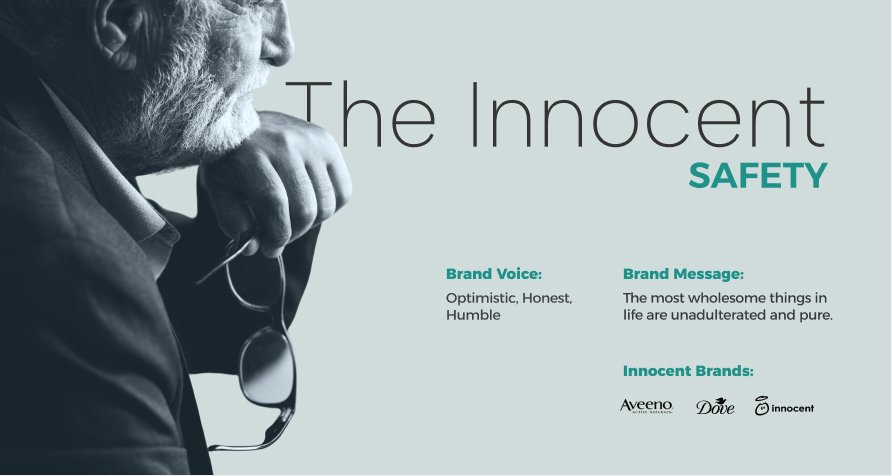
The most powerful brands aren’t the loudest. They’re the ones people trust without question.
In a market flooded with bold claims, constant reinvention, and attention-grabbing tactics, trust has quietly become the most valuable currency a brand can own. Consumers today are more aware, more sceptical, and far less patient with anything that feels exaggerated or insincere. The louder brands get, the more people start looking for the opposite, something simpler, clearer, and more honest.
This is exactly where the Innocent archetype stands apart.
It doesn’t compete by being disruptive or dramatic. It builds relevance by being dependable. While other brands chase complexity, Innocent brands lean into clarity. They strip things back to what really matters: honesty in communication, simplicity in experience, and a consistent sense of optimism that feels real, not forced.
And that’s why this archetype still works.
In a world that often feels chaotic and overwhelming, people are naturally drawn to brands that offer a sense of ease and reassurance. Brands that don’t make them think twice. Brands that feel safe to trust. The Innocent archetype isn’t outdated or overly simplistic. If anything, it’s become more powerful because of how rare that kind of clarity and sincerity has become.
This isn’t about being naive or overly cheerful. It’s about building a brand that people believe in, not just buy from.
What Is the Innocent Archetype in Branding?
The Innocent archetype is built on a simple belief: the world can be good, and brands should reflect that.
It stands for optimism, honesty, and simplicity. Instead of trying to impress or persuade, Innocent brands focus on being clear, genuine, and easy to trust. They don’t rely on clever tactics or exaggerated claims. They communicate exactly what they mean, and deliver on it.
At a deeper level, this archetype sees people as inherently good and values experiences that feel uncomplicated and real. That’s why everything from messaging to product design is kept simple and transparent.
In practice, an Innocent brand:
– speaks in a straightforward, human way
– avoids manipulation or overpromising
– focuses on clarity over cleverness
The result is a brand that doesn’t feel like it’s selling to you.
It feels like something you can trust without overthinking.
Core Traits of the Innocent Brand Archetype
The Innocent archetype isn’t defined by how it looks, but by how it consistently behaves. A few core traits shape everything it does:
Simplicity
Innocent brands remove friction. Their products, messaging, and experiences are easy to understand and easy to use. Nothing feels overcomplicated.
Honesty
What you see is what you get. There’s no exaggeration, no hidden layers, and no pressure tactics. Just clear, transparent communication.
Optimism
These brands focus on the positive. Not in a forced way, but in a way that feels reassuring and grounded. Even in challenges, they highlight what’s possible.
Trustworthiness
Consistency is key. Innocent brands show up the same way across every touchpoint, which builds a strong sense of reliability over time.
Strong moral values
They care about doing the right thing, not just what works. This shows up in how they treat customers, create products, and position themselves in the market.
Together, these traits create a brand that feels steady, dependable, and easy to believe in.
Visual Identity & Brand Expression of the Innocent Archetype
The Innocent archetype shows up visually in a way that feels clean, calming, and easy to process. Nothing is loud or overwhelming. Every element is designed to build trust at a glance.
Colour Palette
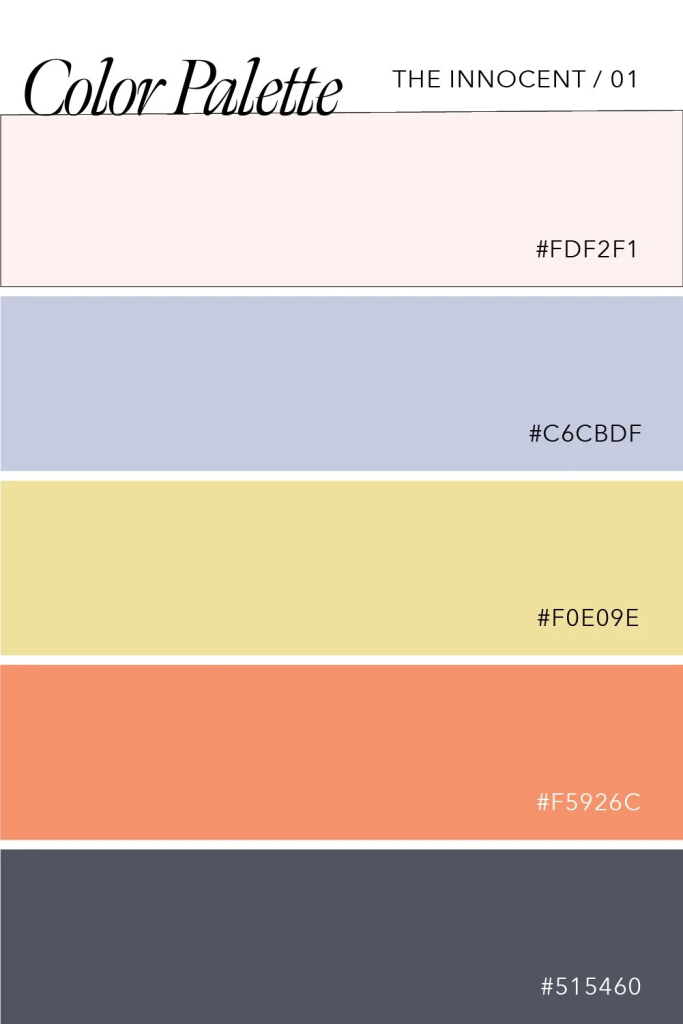
These colours are often used in soft tones, creating a sense of openness and emotional comfort rather than intensity.
Typography
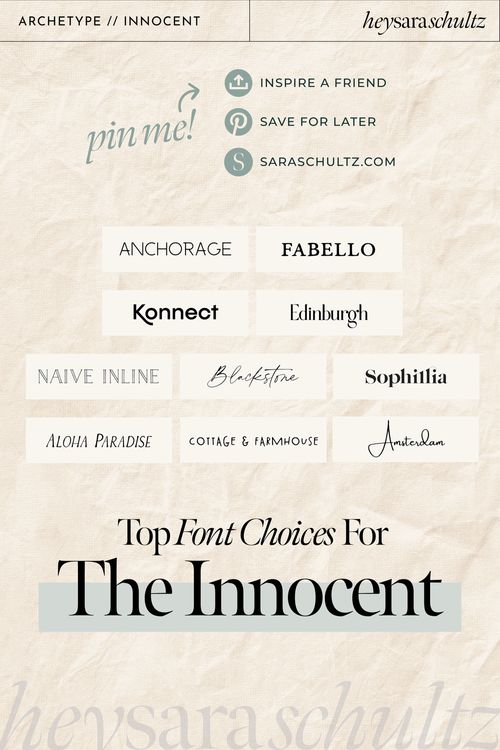
– Clean, highly readable fonts
– Rounded or soft edges for approachability
– No overly decorative or complex styles
The goal is simple: make information feel effortless to read and understand.
Imagery
– Real, everyday moments
– Nature, sunlight, open spaces
– Families, togetherness, candid happiness
– Soft lighting and natural tones
Nothing feels staged or overly polished. The focus is on authentic, feel-good moments.
Design Style
– Minimal and uncluttered layouts
– Generous use of white space
– Clear hierarchy with no hidden elements
– Straightforward, transparent presentation
Every design choice reinforces one thing: what you see is exactly what you get
Overall, the visual identity of an Innocent brand isn’t trying to impress.
It’s trying to reassure.
Brand Voice & Messaging: How Innocent Brands Speak
Innocent brands sound exactly how they look: simple, warm, and easy to understand.
There’s no clever wordplay, no heavy persuasion, and no attempt to sound overly smart. The focus is always on being clear, kind, and human.
At a fundamental level, their communication feels like it’s coming from someone you trust, not a brand trying to sell you something.
Tone of voice
– Friendly and approachable
– Calm and reassuring
– Positive without feeling forced
– Honest and direct
Language style
– Simple, everyday words
– Short, clear sentences
– No jargon or complexity
– No exaggeration or overpromising
What they avoid
– Aggressive sales language
– Urgency-driven tactics (“limited time”, “don’t miss out”)
– Manipulative emotional triggers
– Overly technical explanations
What they focus on instead
– Real benefits, clearly explained
– Encouragement and positivity
– Transparency in what the product does and doesn’t do
The result is messaging that feels effortless to engage with. You don’t feel pushed or convinced. You feel informed and comfortable making a decision.
That’s the strength of the Innocent voice.
It doesn’t try to win attention. It quietly builds trust.
Industries Where the Innocent Archetype Performs Best
The Innocent archetype works best in industries where trust, care, and emotional reassurance are critical to decision-making. These are categories where people aren’t just buying a product, they’re buying peace of mind.
Here’s where it consistently performs well:
Health & Wellness
Brands in this space rely heavily on credibility and emotional comfort.
– Himalaya Wellness builds its positioning around natural ingredients and gentle care, making it feel safe and dependable.
Food & Beverage (Natural & Everyday)
Food brands using the Innocent archetype focus on purity, simplicity, and feel-good consumption.
– Amul combines everyday reliability with a sense of warmth and familiarity.
– Innocent Drinks is built entirely on transparency, natural ingredients, and playful honesty.
Skincare & Personal Care
This category thrives on reassurance and clarity, making it a natural fit.
– Dove stands out with its focus on real beauty and honest communication.
– Forest Essentials blends purity and tradition, creating a sense of trust through natural formulations.
Family & Children’s Products
When the audience includes families, trust becomes non-negotiable.
– Pampers builds its entire identity around safety, comfort, and care for infants.
– FirstCry positions itself as a reliable partner for parents navigating early childcare decisions.
Entertainment & Family Media
This space benefits from optimism and feel-good storytelling.
– Disney is a classic example, consistently delivering happiness, magic, and positive resolutions.
Why does it work across these industries
All these categories share one common factor:
People want to feel safe in their choice.
The Innocent archetype reduces doubt. It simplifies decisions. And in industries where trust directly impacts purchase behaviour, that becomes a powerful advantage.
How Leo9 Studio Applies the Innocent Archetype in Brand Strategy
At Leo9 Studio, the Innocent archetype isn’t treated as a visual style. It’s approached as a clarity-first strategy.
The process starts by understanding what the brand can genuinely stand for. Not every brand should be Innocent, so the focus is on identifying whether simplicity, trust, and transparency can be owned authentically.
From there, the work moves into simplifying everything that touches the user:
– Positioning is refined to remove noise and highlight what truly matters
– Messaging is made clear, direct, and easy to relate to
– UX and design are stripped of friction, making interactions feel effortless
– Visual systems are built to feel clean, calm, and consistent
The goal isn’t to make the brand look minimal.
It’s to make the brand feel easy to trust at every step.
What sets this approach apart is the focus on alignment. The tone, the design, and the experience all work together, so nothing feels forced or disconnected.
Because in the end, an Innocent brand doesn’t just say the right things.
It makes people feel like they don’t need to question them.
Conclusion: The Innocent Archetype Is About Trust, Not Simplicity
The Innocent archetype is often misunderstood as being basic or overly safe. But in reality, it’s one of the hardest archetypes to execute well.
Because it’s not just about looking simple.
It’s about being consistently honest, clear, and dependable in a world where that’s rare.
At its best, the Innocent archetype creates something most brands struggle to achieve: effortless trust.
The kind where customers don’t overthink decisions. They just feel confident choosing you.
And that’s what makes it powerful today.
As markets get noisier and more complex, brands that offer clarity and reassurance naturally stand out.
At Leo9 Studio, we help brands move beyond surface-level aesthetics and build identities rooted in clarity, consistency, and real connection.
Whether you’re repositioning an existing brand or building one from scratch, the focus stays the same: creating experiences that people don’t just notice, but believe in.
If you’re looking to build a brand that feels simple, honest, and impossible to doubt, it might be time to get the strategy right.
FAQs
The Innocent archetype represents brands built on simplicity, honesty, and optimism. These brands focus on clear communication, trustworthy behaviour, and creating a sense of comfort and positivity for their audience.
It works best for brands in health, wellness, food, skincare, family products, and hospitality, where trust and emotional reassurance play a big role in decision-making.
Unlike bold or disruptive archetypes, the Innocent stands out through clarity and consistency. It doesn’t rely on persuasion or complexity. It builds trust by being simple, transparent, and dependable.
If not executed well, brands can appear naive, overly simplistic, or lacking differentiation. Forced positivity or ignoring real challenges can also reduce credibility.
By focusing on genuine values, simple experiences, consistent communication, and transparency. It’s not just about tone. The entire brand experience should feel easy to understand and trustworthy.