

Compare and choose the right Design Agency in the USA with this guide. Evaluate portfolios, pricing, contracts, tech stack, KPIs, onboarding steps, and red flags.
Finding the right Design Agency in the USA can feel like searching for a needle in a haystack especially when every studio promises “creative excellence” and “data-driven design.” But the difference between an agency that looks good on paper and one that delivers measurable business results comes down to methodical comparison: aligning goals, dissecting portfolios, understanding pricing and delivery, and testing cultural fit.
Consider this the U.S. web design services market alone was estimated at around USD 45.1 billion in 2024, with projections to grow significantly through the decade.According to Network Solutions ,more than 73% of small businesses in the U.S. now maintain a website (up from 64% in 2020), underscoring how critical digital presence has become for competitiveness. This explosion in demand means there are thousands of agencies vying for your business but only a fraction deliver real value.
That’s why this guide walks you through the exact criteria savvy businesses use to evaluate and compare agencies so you can hire confidently, reduce risk, and get design that actually moves the needle. As you go through proposals, you’ll learn how to read portfolios like data reports, demand clear outcomes, and avoid flashy but superficial work.
By focusing on alignment with your business goals, scrutinizing results over aesthetics alone, and prioritizing transparent processes and communication, you’ll sift through the noise to find the right partner. Because when done right, the value of a dependable Design Agency in the USA isn’t just about design… it’s about growth.
What are Common Problems Businesses Face When Compare Design Agencies in the USA?
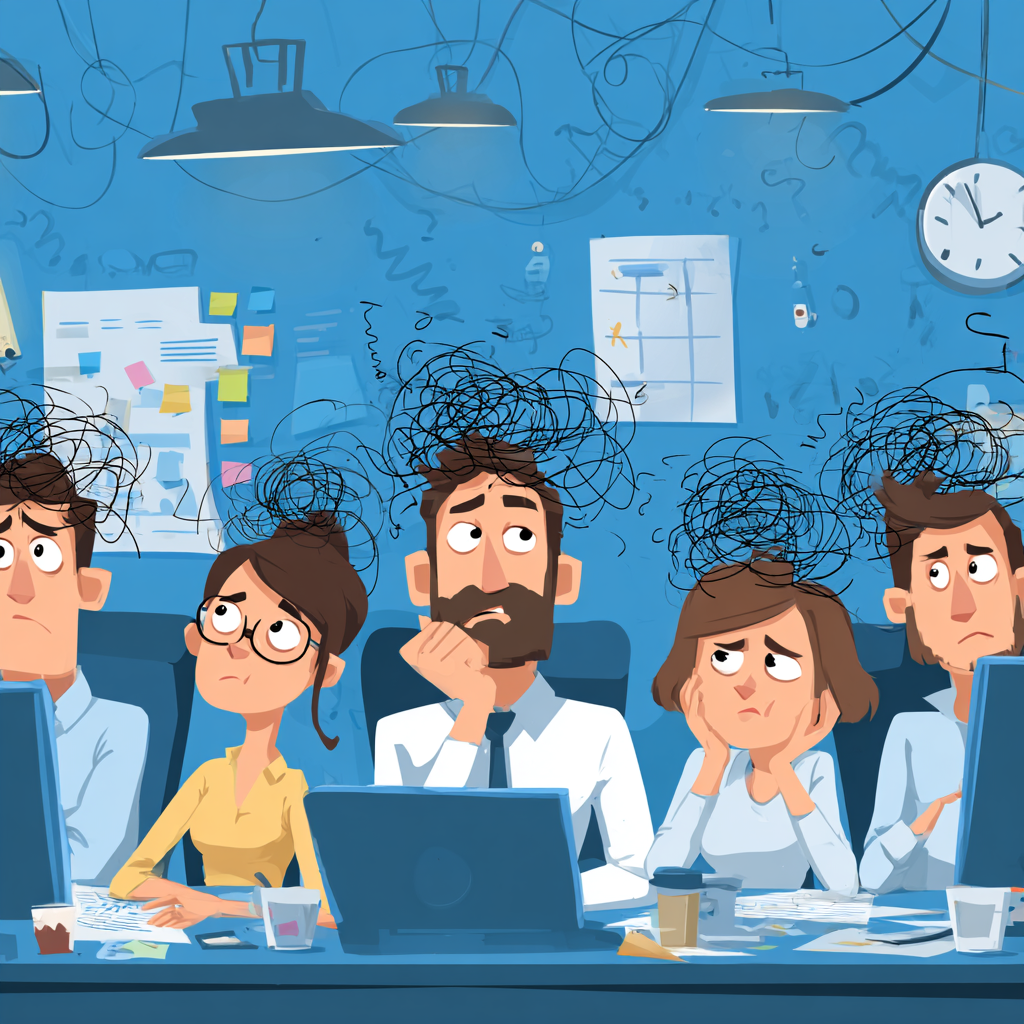
When companies begin evaluating creative partners, the process can quickly become overwhelming. While there are thousands of options, comparing them objectively isn’t always simple. Below are some of the most common challenges businesses face when trying to evaluate the right Design Agency in the USA, along with why these problems occur and how they affect the decision-making process.
1. Too Much Marketing Speak and Not Enough Evidence
One of the biggest problems companies face during comparison is that many agencies rely heavily on branding language and vague promises rather than measurable proof. Phrases like “award-winning,” “world-class,” and “we transform brands” sound compelling but do little to clarify what the agency actually achieved. Without concrete data such as conversion rate improvements, revenue lift, user engagement metrics, or usability outcomes, it becomes difficult to tell whether an agency has delivered results or just design aesthetics. This creates confusion and makes it harder to assess whether a Design Agency in the USA is truly performance-driven or simply positioning itself well.
2. Inconsistent Pricing Models Make Cost Comparisons Difficult
Another major challenge businesses face is the lack of standardized pricing models. One agency may quote a flat fee, another hourly rates, and another retainers or phased billing. Even the deliverables included often vary greatly; some agencies include strategy and workshops, others charge separately. Because of this inconsistency, what looks “cheaper” may in reality be incomplete or missing essential stages such as UX research, accessibility compliance, or iteration rounds. The lack of transparency leads many companies to compare numbers rather than value, which is risky when selecting a Design Agency in the USA.
3. Difficulty Assessing Cultural Fit and Working Compatibility
Finally, even when capabilities and pricing align, companies often struggle to determine whether the agency will be the right cultural and collaborative fit. Design partnerships require trust, communication, aligned expectations, and mutual working rhythm. Some agencies excel with structured enterprise workflows, while others thrive in fast-moving startup environments. Without trial engagement or structured evaluation, businesses may choose a partner whose communication style, decision-making pace, or creative approach does not align leading to frustration, delays, and strained relationships.
Why It’s Important to Compare Design Agencies in the USA
Choosing the right design partner isn’t just about aesthetics, it’s a strategic business decision that impacts brand perception, user engagement, conversion rates, and long-term scalability. With hundreds of creative firms competing across different niches and price ranges, taking time to compare options ensures you’re not just buying design, but value, expertise, and alignment with your business goals. Here’s why comparing a Design Agency in the USA is crucial before signing any contract.
1. Not All Agencies Offer the Same Capabilities
While many firms market themselves as “full-service,” their true strengths can vary dramatically. One agency may excel in branding and identity systems but lack depth in UX strategy. Another might master UI design but struggle with content architecture or development handoffs. When you compare multiple agencies, you gain a clearer understanding of their specializations, toolsets, methodologies, and deliverable quality. This eliminates guesswork and helps you match the right skillset to your exact business needs.
2. A Better Match Improves Business Outcomes
A great design partner doesn’t just make things look attractive, they enhance usability, streamline customer journey mapping, improve conversion paths, and ensure consistency across digital and physical touchpoints. By comparing more than one Design Agency in the USA, you can evaluate whether their creative thinking aligns with your brand voice, target audience, and long-term growth plans. The goal isn’t just to choose the most creative agency, it’s to partner with a firm capable of delivering measurable business results.
3. Pricing, Process, and Support Can Vary Widely
Two agencies may quote drastically different budgets for what appears to be the same scope but the underlying process, level of research, testing rigor, ownership rights, and post-launch support may differ significantly. Comparing proposals helps you identify fair pricing models, understand how agencies manage timelines, and uncover hidden costs. It also reveals differences in transparency, communication style, and project governance.
4. Reduces Risk and Increases Confidence
Working with a design partner is a long-term collaboration. When you take the time to compare multiple providers, you eliminate emotional decision-making and adopt an informed, strategic approach. Vetting more than one Design Agency in the USA ensures you avoid rushed decisions and choose a partner who is accountable, capable, and aligned with your expectations.
How to Compare Design Agencies in the USA: A Practical Step-by-Step Guide
Choosing the right Design Agency in the USA is not just about aesthetics it’s about selecting a strategic partner that understands your audience, business goals, and long-term vision. With hundreds of agencies offering branding, web development, UI/UX, digital design, and product strategy, businesses need a systematic approach to evaluate their options. This guide walks you through the essential steps to help you shortlist, vet, and confidently select the right partner.

1. Define Your Business Goals and Expectations
Before comparing agencies, you must clearly articulate what you want to achieve. Whether you are rebranding, building a new digital product, or optimizing user experience, clarity leads to better decision-making. A reputable Design Agency in the USA will ask strategic questions about your market positioning, existing performance metrics, and long-term goals, not just design preferences. The more precise your goals, the easier it will be to filter agencies and compare proposals accurately.
2. Review Their Portfolio and Case Studies
A portfolio tells you far more than an agency’s pitch deck. Look beyond visuals evaluate the thinking, strategy, and measurable outcomes behind their work. A strong Design Agency in the USA should demonstrate:
1.Before-and-after improvements
2.Industry relevance or ability to adapt
3.Strategic transformation, not just cosmetic redesigns
4.Design systems and scalable components
Case studies should include quantifiable performance metrics like increased conversions, improved usability scores, or reduced bounce rates. If an agency cannot show results backed by data, proceed with caution.
3. Understand Their Process and Methodology
Every established Design Agency in the USA should be able to explain their process from discovery to delivery. Look for frameworks such as:
1.Research and discovery
2.Strategy and concept development
3.Prototyping and testing
4.Refinement and delivery
5.Post-launch support
This gives insight into how predictable, collaborative, and structured their approach is. Agencies that skip research or testing often produce visually appealing work that fails to perform with real users.
4. Evaluate Expertise, Team Strength, and Cultural Fit
People not agency logos do the work. During evaluation, request the specific team assigned to your project. A top-tier Design Agency in the USA will have a mix of strategists, designers, researchers, developers, and project managers with proven experience. Cultural alignment matters too: collaboration style, communication tone, and decision-making pace should match your organization’s rhythm. If you sense friction early, it will only grow during the project.
5. Compare Pricing Models and Value, Not Just Cost
Agencies use different pricing structures: hourly billing, fixed scope, sprint-based billing, or retainers. The right pricing model depends on complexity and clarity of scope. When comparing agencies, remember that the cheapest option may cost more later if revisions, redesigns, or delays occur. A professional Design Agency in the USA should explain how pricing aligns with outcomes, timelines, and support requirements, not just deliverables.
6. Check Communication Style and Project Management Tools
Great outcomes require structured communication. The best Design Agency in the USA will offer project transparency using tools like:
1.Slack or Teams (for communication)
2.Asana, Trello, or Jira (for workflow tracking)
3.Figma or Adobe XD (for design collaboration)
Evaluate how fast they respond, how thoroughly they answer questions, and how organized they appear during early interactions. Poor communication early indicates future frustration.
7. Validate Testimonials, Client Reviews, and Referrals
Reviews reveal how agencies behave after contracts are signed. Look for consistent themes across testimonials: timeliness, creativity, reliability, strategic thinking, or support after delivery. A trustworthy Design Agency in the USA will offer references and gladly connect you with existing clients. When speaking to references, ask about problem-solving, scope changes, and overall professionalism, not just final outcomes.
8. Assess Technical Capability and Tool Knowledge
Modern design relies on technology, systems, and workflows not just creative intuition. When comparing agencies, evaluate whether they understand:
1.Design systems
2.Accessibility standards
3.Responsive frameworks
4.CMS or platform requirements
5.Testing and analytics integration
A future-ready Design Agency in the USA will also stay updated on emerging technologies and offer scalable solutions to support long-term growth.
9. Request a Proposal and Compare Deliverables
Once you narrow down your shortlist, request detailed proposals. A strong proposal from a Design Agency in the USA should outline:
1.Timelines and milestones
2.Design phases and deliverables
3.Testing methods and research approach
4.Team roles and responsibilities
5.Post-launch training or support
Proposals are a preview of the agency’s professionalism and clarity. If something looks vague, request clarification before proceeding.
10. Start With a Pilot or Paid Discovery Phase
Instead of committing to a full project upfront, many companies begin with a paid discovery or pilot sprint. This allows you to evaluate how the Design Agency in the USA works, communicates, and delivers value. If the pilot is smooth and aligned with expectations, scaling into a full engagement becomes much more confident and strategic.
11.Contracts, IP and legal protections
A strong contract protects both sides. Key clauses to compare:
1.Scope of work & deliverables: precise milestones and acceptance criteria
2.Payment schedule: tie payments to deliverables/milestones
3.Change control: process and rates for additional work
4.Intellectual property (IP): who owns designs, source files, and final assets
5.Warranties & indemnities: quality guarantees and liability limits
6.Confidentiality & data security: nondisclosure and handling of PII
7.Termination & transition: notice, final deliverables, and handoff terms
How to Compare Design Agencies in the USA: A Practical Step-by-Step Guide
- Define Your Business Goals and Expectations
- Review Their Portfolio and Case Studies
- Understand Their Process and Methodology
- Evaluate Expertise, Team Strength, and Cultural Fit
- Compare Pricing Models and Value, Not Just Cost
- Check Communication Style and Project Management Tools
- Validate Testimonials, Client Reviews, and Referrals
- Assess Technical Capability and Tool Knowledge
- Request a Proposal and Compare Deliverables
- Start With a Pilot or Paid Discovery Phase
- Contracts, IP and legal protections
If you’re bidding for government contracts or need to meet federal procurement rules, consult the U.S. Small Business Administration resources offer guidance on contracting and compliance considerations.
Final Thoughts on Compare Design Agencies in the USA
Comparing a Design Agency in the USA requires structure, research, and alignment not guesswork. By following these steps, you’ll dramatically reduce risk and ensure you choose a partner capable of elevating your brand and digital experience.
Where to Look for Agencies (Recommended Starting Points)
Finding the right Design Agency in the USA doesn’t have to feel overwhelming. The challenge isn’t the lack of options, it’s knowing where to start, how to filter, and how to separate true expertise from marketing noise. Fortunately, several trusted platforms, directories, and professional networks make the search easier by offering verified reviews, industry filters, certifications, and regional sorting. Below are the best places to begin when shortlisting the right partner.
1. Clutch — Verified Reviews and Category Filtering
Clutch is one of the most reputable platforms for discovering agencies in specific industries, niches, and price ranges. It provides verified reviews, detailed case studies, pricing information, and side-by-side comparison features. This makes it especially valuable when evaluating credibility, delivery consistency, and past client satisfaction. If you’re comparing multiple options for a Design Agency in the USA, Clutch gives you the transparency you need to shortlist potential partners objectively rather than relying solely on sales conversations or website claims.
2. HubSpot Partner Directory — Ideal for Platform-Specific Needs
If your business relies on HubSpot for CRM, CMS, marketing automation, or growth operations, the HubSpot Partner Directory is a powerful place to search. Agencies listed here aren’t just generalists, they are certified partners who have completed training, demonstrated expertise, and met quality standards set by the platform. This ensures you find a Design Agency in the USA already aligned with HubSpot’s systems, templates, integrations, and workflows. For businesses seeking seamless design-to-development implementation, this directory can save weeks of trial and error.
3. AIGA — Professional Standards & Industry Alignment
AIGA (American Institute of Graphic Arts) isn’t just a directory, it’s a trusted authority for design ethics, best-practice frameworks, pricing guidelines, and professional conduct. Reviewing member agencies or design firms connected to AIGA can help you identify partners who value craft, methodology, and industry standards. If you want a partner who takes design seriously as both a discipline and strategic function, agencies associated with AIGA can be an excellent starting point.
4. SBA & Local Small Business Development Centers
For startups, small businesses, and organizations navigating budget constraints or formal procurement processes, the U.S. Small Business Administration and Small Business Development Centers provide resources, guidance, and sometimes referrals. This can be especially useful if you need a certified vendor, require specific contracting compliance, or are preparing a formal RFP for selecting a Design Agency in the USA.
Conclusion: Making the Right Choice With Confidence
Choosing the right Design Agency in the USA isn’t simply about outsourcing visual work, it’s about selecting a strategic partner who can elevate user experience, strengthen brand identity, and support long-term business growth.

The U.S. market is diverse, competitive, and full of talented firms but not every solution fits every business. That’s why evaluating experience, communication style, strategic alignment, and innovation mindset matters as much as portfolio aesthetics. A Design Agency in the USA should be more than creative; it should understand market behavior, digital trends, user psychology, and evolving technological expectations.
Ultimately, the right partnership can transform digital presence into an experience, not just a design. And if you’re looking for a Design Agency in the USA that blends creativity with business intelligence, research-driven UX, and measurable impact, Leo9 Studio stands as a trusted partner for brands that want more than visuals.If you’re ready to elevate your digital identity with design that’s purposeful, user-centered, and future-focused, explore what Leo9 Studio has created for global brands. A conversation is a great place to start, no pressure, no push, just clarity. Connect Today!
FAQs about Compare Design Agencies in the USA
Comparing Design Agencies in the USA requires evaluating experience, portfolio quality, industry specialization, client testimonials, and communication style. You should also consider whether the agency offers strategy-driven design rather than just visual execution. Many businesses also prefer agencies that provide end-to-end services — from UX research to UI design to development for smoother execution. Agencies like Leo9 Studio often provide tailored recommendations based on business goals, not just design trends, which helps ensure long-term success.
A reliable contract should include timelines, pricing models, ownership rights, scope of work, revision structure, NDA terms, and deliverables format. When working with a Design Agency in the USA, clarity is essential to avoid scope creep and misaligned expectations. A well-structured contract ensures transparency, protects your intellectual property, and defines the collaboration process. Established agencies such as Leo9 Studio typically provide clear documentation to make onboarding smooth and predictable.
Pricing varies based on the agency’s experience, service offering, project complexity, and deliverable depth. Some agencies charge hourly, while others use fixed-project or retainer pricing. A high-quality Design Agency in the USA will be transparent about cost and provide tiered options to match different business needs. While budget matters, investing in strategy-led design often results in better ROI. Studios like Leo9 Studio balance creative excellence with value-based pricing.
Timelines depend on the size of the project, approval cycles, research requirements, and development scope. A standard web or product design project can take anywhere from a few weeks to several months. A professional Design Agency in the USA will provide a structured timeline with milestones, feedback points, and testing phases. Agencies with strong processes such as Leo9 Studio ensure efficiency without compromising quality.
Many modern agencies offer full-stack services including branding, UI/UX design, research, development, and digital strategy. Working with a multidisciplinary partner ensures design consistency across platforms and reduces the complexity of managing multiple vendors. If you’re looking for a studio that combines research-driven UX, visual identity, and digital execution under one roof, teams like Leo9 Studio are well-equipped to deliver a seamless experience.
Absolutely. A strong design approach goes beyond aesthetics it focuses on usability, psychology, interaction patterns, and user behavior. A strategic Design Agency in the USA will use data, UX principles, and testing methods to improve engagement and conversions. Agencies like Leo9 Studio apply human-centered design frameworks to ensure every digital experience is meaningful, intuitive, and performance-focused.
Leo9 Studio has partnered with a diverse range of industries from e-commerce and healthcare to education, fintech, and consumer brands. Their ability to adapt and craft authentic marketing strategies for brands across different sectors ensures every campaign feels unique, purposeful, and true to the brand’s identity.