


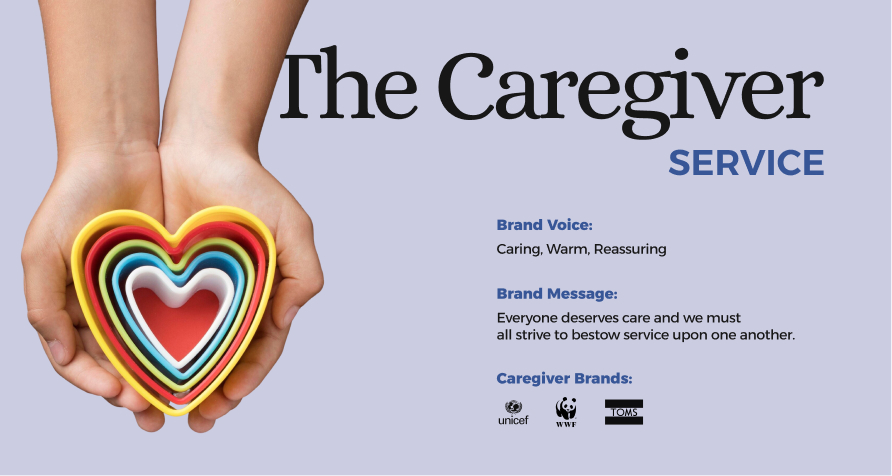
“Caring for others is an expression of what it means to be fully human.” Hillary Clinton
Look across any industry today, and a pattern starts to show. Brands talk about trust. They highlight support. The messaging feels warm, the intent sounds right. And yet, much of it blends together. Different brands, same promise, very little depth behind it.
This is exactly why the Caregiver archetype still holds its relevance.
In a landscape driven by speed, performance, and constant selling, the Caregiver represents something far more grounded: consistent, dependable care. These brands don’t just communicate empathy, they build experiences that actively support people, especially in moments of uncertainty or need. It’s not about appearing helpful. It’s about being reliably present.
Today’s audience can tell the difference. They recognise when care is just part of the messaging versus when it’s built into the brand itself. That’s where the Caregiver archetype creates impact. Not by being louder, but by being genuinely dependable.
What Is the Caregiver Archetype in Branding?
The Caregiver archetype in branding represents a brand built around one core intention: to support, protect, and improve people’s lives in a meaningful way. It comes from Carl Jung’s archetypal framework, but in practice, it’s far less about theory and more about how a brand shows up for its audience.
At its core, a Caregiver brand is driven by service over self-interest. It prioritises people over quick wins, long-term trust over short-term conversions, and genuine help over surface-level messaging. These brands step in when users need reassurance, guidance, or stability, especially in situations where the stakes feel personal or important.
Unlike brands that focus on performance or aspiration, the Caregiver focuses on responsibility. It takes ownership of the customer’s experience and works to make it safer, easier, and more supportive at every touchpoint.
The relationship isn’t transactional. It’s built on consistency, reliability, and the belief that real value comes from improving someone’s life, not just selling to them.
Core Traits of the Caregiver Brand Archetype
The Caregiver archetype is defined by how it behaves, not just how it speaks. Its traits are visible in actions, decisions, and customer experience.
Emotional Traits
1. Compassionate
2. Empathetic
3. Patient
These brands understand people’s struggles. They respond with sensitivity, not urgency.
Behavioral Traits
1. Supportive
2. Generous
3. Nurturing
They go beyond basic service. They help users grow, solve problems, and feel taken care of.
Trust Traits
1. Reliable
2. Consistent
3. Honest
Caregiver brands show up every time. No surprises. No gaps in experience.
Value System
1. People-first thinking
2. Community-driven approach
3. Strong sense of responsibility
They don’t chase quick wins. They focus on long-term relationships and real impact.
The Emotional Promise of a Caregiver Brand
At the heart of every Caregiver brand is a simple promise: you are safe here.
These brands are not trying to impress or persuade. They are focused on making people feel supported, especially in moments of doubt, stress, or vulnerability. The connection they build is emotional before it is functional.
A Caregiver brand reassures. It reduces uncertainty. It makes decisions feel easier because the user trusts that the brand has their best interest in mind. This trust does not come from bold claims. It comes from consistent, thoughtful actions over time.
Instead of pushing people forward, these brands stand beside them. They guide, assist, and protect without taking control. The goal is not dependency, but confidence. Users feel stronger because they know they are supported.
That is the real emotional value. Not just help, but the feeling that someone is looking out for you.
Visual Identity & Brand Expression of the Caregiver Archetype
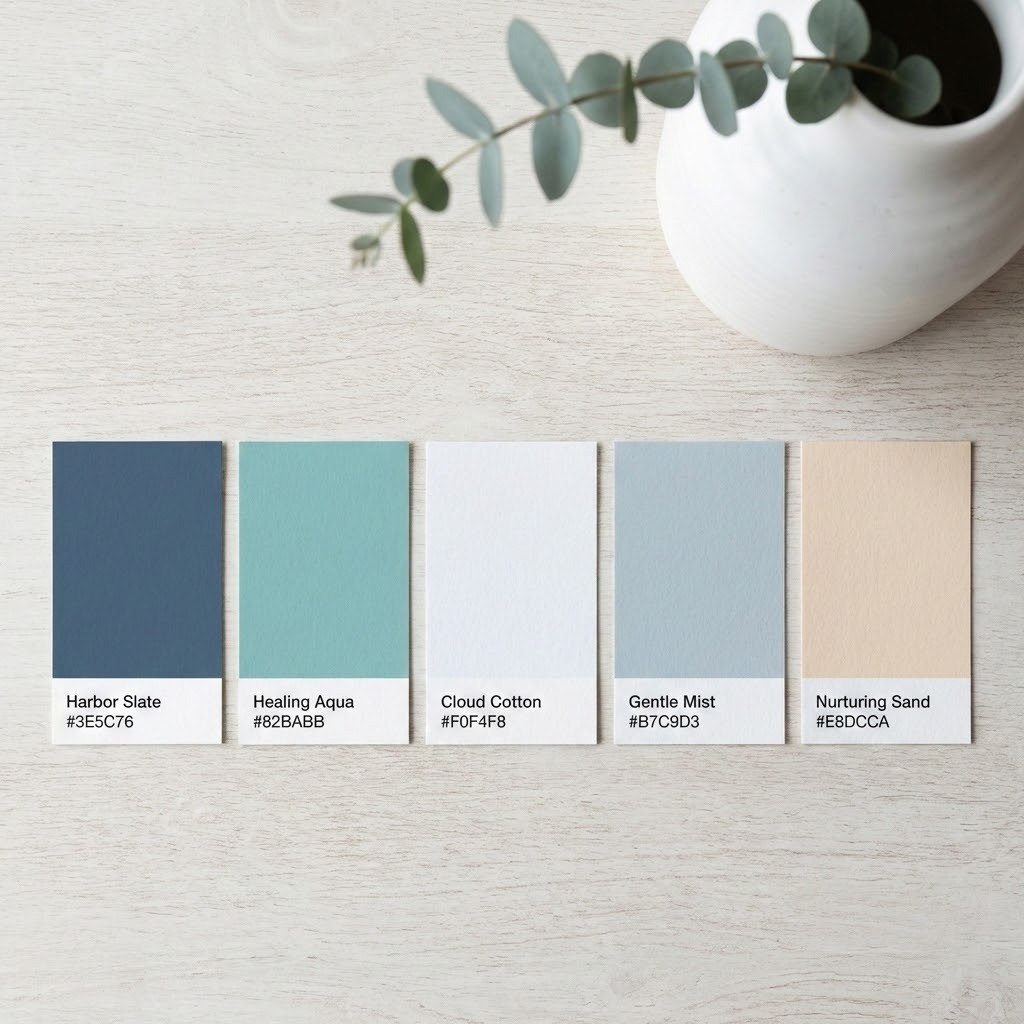
Colour Palette
Caregiver brands rely on calming and trustworthy colours like blue, white, and soft tones such as turquoise. Blue builds a sense of reliability and stability. White keeps things clean and honest. Softer shades add a feeling of care and emotional ease. Together, they create a visual environment that feels safe and grounded.
Typography
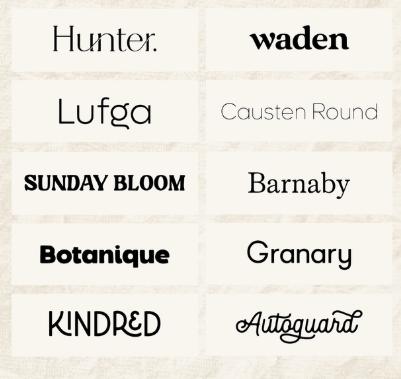
Typography is kept simple, clear, and highly readable. There is no need for decorative or complex fonts. Clean typefaces make communication feel open and accessible, which is important for building trust and reducing friction in the user experience.
Imagery
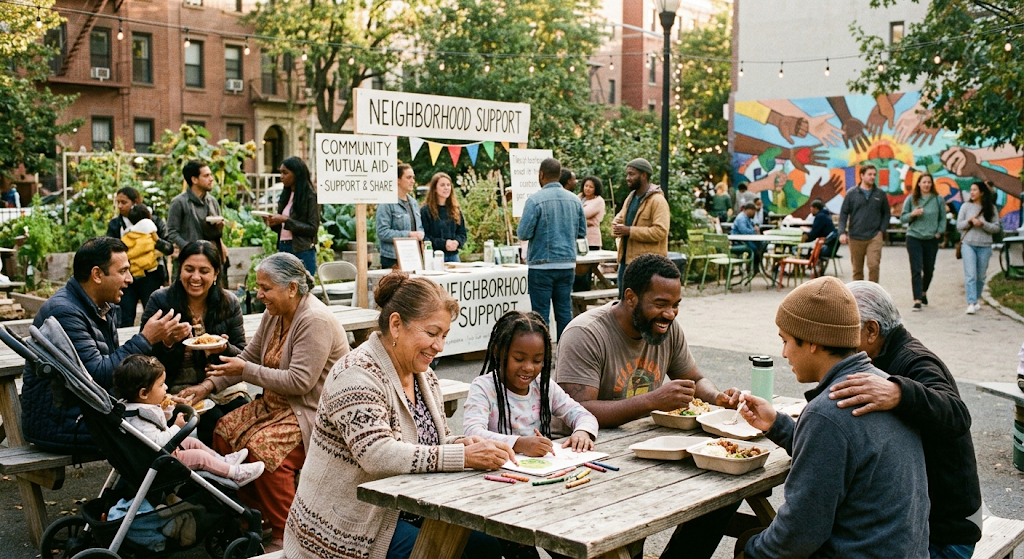
The focus is always on real people and real moments. You’ll often see families, communities, or individuals in situations where care and support are visible. The goal is to reflect warmth, inclusion, and authenticity, not perfection or staged visuals.
Design Style
The overall design is soft, structured, and easy to navigate. Layouts are clean with enough breathing space. Nothing feels overwhelming or aggressive. Every element is placed with intention, so the experience feels intuitive and reassuring rather than sales-driven.
Brand Voice & Messaging: How Caregiver Brands Speak
Caregiver brands speak in a way that feels calm, supportive, and human. The tone is never aggressive or sales-heavy. It focuses on making people feel understood before trying to guide them.
The language is warm and reassuring. It acknowledges the user’s situation instead of ignoring it. Rather than pushing solutions immediately, it first builds comfort and trust. This makes the communication feel genuine, not transactional.
Messaging is simple, clear and honest. There is no overpromising or exaggeration. Caregiver brands avoid urgency tactics and pressure-driven lines. Instead, they focus on offering help, guidance, and clarity at the user’s pace.
At its core, the voice is not trying to impress. It is trying to support. And that difference is what makes it effective.
Industries Where the Caregiver Archetype Performs Best
The Caregiver archetype performs best where trust, safety, and support are central to the experience.
Healthcare, wellness, and mental health services are natural fits, as people rely on them during vulnerable moments. Education and childcare brands also align well, where guidance and development are key. Insurance and financial advisory services benefit from the sense of protection and reliability this archetype brings.
It also works in sectors like NGOs, social impact organisations, and community-driven platforms, where helping others is the core purpose. Even technology and consumer brands can adopt it, as long as they focus on user support and accessibility.
In all these cases, care is not a feature. It is the foundation of the brand experience.
Brands That Successfully Use the Caregiver Archetype
Some of the most trusted brands in the world are built on the Caregiver archetype. Their success comes from consistently showing up for people, not just promoting what they offer.
UNICEF is a strong example. Its entire mission is built around protecting and supporting children globally. The communication is simple, human, and purpose-driven, making people feel part of something larger than themselves.
Johnson & Johnson has long positioned itself around family care and well-being. It balances medical credibility with emotional reassurance, which builds deep trust across generations.
Dove takes a more emotional approach. Its campaigns focus on self-esteem and real beauty, showing care not just through products, but through how it represents people.
Volvo applies the archetype in a different way. Its focus on safety innovation reflects protection at a product level, making care a functional and emotional benefit.
TOMS integrates care directly into its business model. With its giving approach, every purchase contributes to helping someone else, making customers part of the impact.
What connects all these brands is not their industry, but their intent. They don’t just claim to care. They build systems, products, and communication that prove it over time.
(video)
How Leo9 Studio Applies the Creator Archetype in Brand Strategy
At Leo9 Studio, the Caregiver archetype is built through intent, not just tone. It starts with understanding who the brand is helping and why that matters.
For Get My Rugs, the focus was not just on selling rugs, but on the people behind them. The brand was shaped around the idea of “Thread of Hope,” highlighting the lives of the weavers and the impact behind each product. This shifted the narrative from product-first to people-first.
The storytelling focused on real artisans and real communities. Visually and verbally, the brand stayed simple, warm, and honest. Nothing felt exaggerated. The aim was to build trust through authenticity, not persuasion.
This is how Leo9 approaches Caregiver brands. By aligning purpose, design, and communication to create something that genuinely supports and connects, not just sells.
Conclusion: The Caregiver Archetype Is About Responsibility, Not Just Warmth
The Caregiver archetype is often misunderstood as simply being kind or emotional. In reality, it is about responsibility. It is about showing up consistently, building trust over time, and putting people before short-term gains.
These brands don’t rely on loud messaging or constant persuasion. They earn their place by being dependable, especially when it matters most. That is what creates real loyalty and long-term value.
In a market where many brands claim to care, the ones that actually build systems, experiences, and stories around that care are the ones that stand out.
At Leo9 Studio, this is exactly how we approach brand building. We help brands move beyond surface-level messaging and create experiences that genuinely support their audience. If you’re looking to build a brand that people trust, return to, and rely on, it starts with getting the foundation right.
FAQS-
Caregiver brands express themselves in four ways:
Giver: Provides direct help or support
Advocate: Protects and empowers users
Nurturer: Helps people grow and improve
Mentor: Guides with experience and knowledge
Caregiver brands are supportive, reliable, and people-focused. They are consistent, emotionally aware, and focused on building long-term trust rather than quick attention.
They can become overprotective, appear outdated, or overpromise support. The biggest risk is seeming inauthentic if care is not backed by real action.
“Love your neighbour as yourself.”
For brands, this means putting people first and acting in their best interest.