

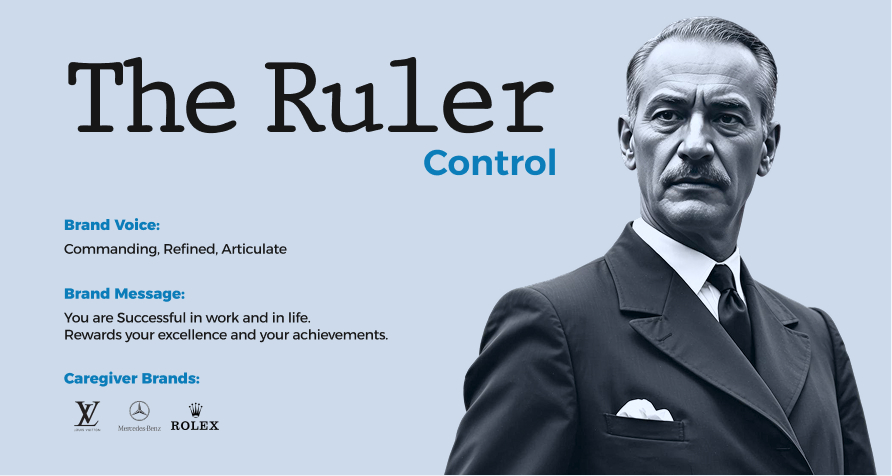
The brands that last don’t chase relevance. They establish dominance.
Look at the brands you trust the most. The ones you instinctively choose when it matters.
They’re not the loudest. They’re not constantly trying to prove themselves. They feel… in control.
That’s exactly where the Ruler archetype sits in modern branding. In a market full of noise, options, and uncertainty, people don’t just look for better choices, they look for clear authority. A brand that knows what it’s doing, sets the standard, and doesn’t waver.
Because when everything feels chaotic, the brand that feels in charge becomes the obvious choice.
And that’s why the Ruler archetype still works.
What Is the Ruler Archetype in Branding?
The Ruler archetype is built on one core idea: control creates confidence.
In branding, this archetype represents authority, leadership, and the ability to bring order to complexity. These are the brands that don’t just participate in a category, they set the rules for it.
A Ruler brand positions itself as the benchmark. It leads with structure, operates with clarity, and makes decisions that others follow. There’s no uncertainty in how it presents itself. Everything feels intentional, measured, and in control.
But this isn’t just about power for the sake of it. The deeper role of a Ruler brand is to reduce chaos for its audience. Whether it’s through systems, quality, or consistency, it gives people something they can rely on without second-guessing.
That’s why customers don’t just see these brands as options. They see them as the standard to trust.
Core Traits of the Ruler Brand Archetype
You can spot a Ruler brand almost instantly. Not because it tries to stand out but because it already feels established.
Here’s what defines it:
1. Authority That Feels Natural
Ruler brands don’t try to convince you they’re leaders. They operate like they already are. Their presence is calm, confident, and decisive. No over-explaining, no noise, just clarity.
2. Control Over Chaos
At the heart of this archetype is a need to create order. Whether it’s through systems, processes, or structured experiences, everything is designed to reduce uncertainty and make decisions easier.
3. Premium by Design
Ruler brands rarely compete on price. They position themselves as worth the premium, often using exclusivity, quality, and perception to reinforce that value. Access itself can feel selective.
4. Consistency & Reliability
There’s no room for unpredictability here.
From product to communication, everything is consistent, polished, and dependable. That reliability becomes a key reason people stay loyal.
5. High Standards, Always
Ruler brands don’t just meet expectations, they set them.
They hold themselves (and often their audience) to a higher standard, which reinforces their position as the category leader.
Put together, these traits create a very specific impression:
This is a brand that knows what it’s doing, and expects you to trust it.
Visual Identity & Brand Expression of the Ruler Archetype
Before a Ruler brand says anything, it already looks like it’s in control.
Its visual identity isn’t loud or experimental. It’s deliberate, structured, and refined, designed to signal authority at first glance.
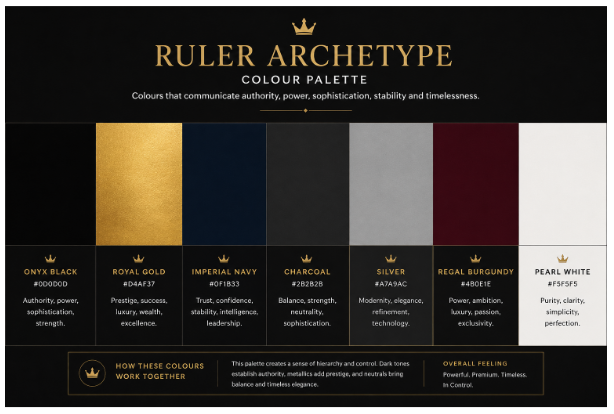
Colour Palette
Ruler brands lean toward colours that communicate power and stability:
– Black for authority and sophistication
– Gold for prestige and success
– Deep blues or greys for trust and control
The palette is usually restrained. Nothing feels excessive or decorative.
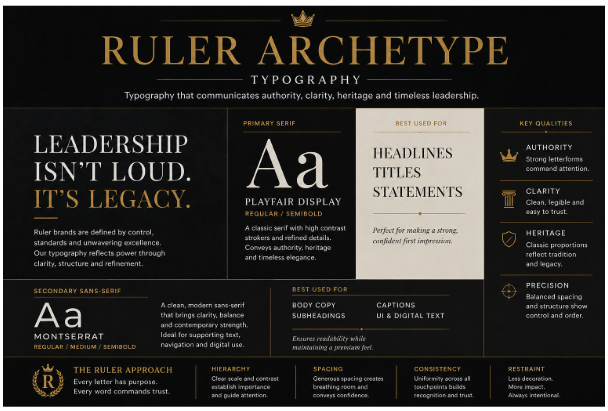
Typography
Typography is clean, balanced, and highly legible.
– Serif fonts often signal legacy and heritage
– Modern sans-serifs can reflect structured leadership
– Spacing and alignment are precise, nothing feels accidental
The goal is simple: clarity with presence.
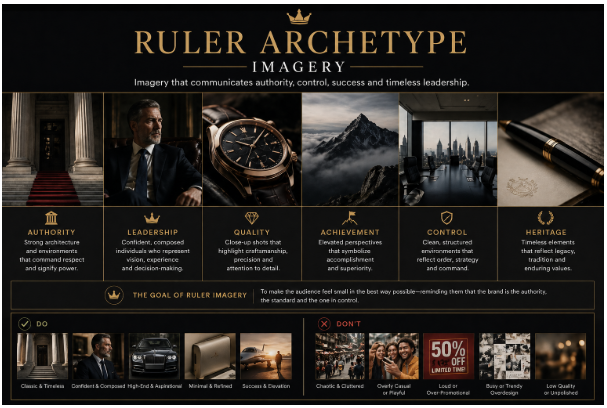
Imagery
Visuals are polished and intentional.
– High-quality, well-composed shots
– Controlled environments rather than chaotic scenes
– Subjects often appear confident, composed, and in command
Even when showcasing people, the focus is on aspiration and status, not spontaneity.
Design Style
Everything follows a system.
– Grid-based layouts
– Minimal clutter
– Strong hierarchy of information
There’s a clear sense that every element has a purpose. No randomness, no excess.
Put together, the entire visual language sends one message: This brand is precise, reliable, and in control.
Brand Voice & Messaging: How Ruler Brands Speak
You can recognise a Ruler brand even without seeing it. just by the way it speaks.
There’s no fluff, no over-selling, no trying too hard. The tone is clear, confident, and in control.
Direct, Not Decorative
Ruler brands don’t hide behind clever wordplay. They say exactly what they mean with authority.
Short, decisive statements. No ambiguity. No second-guessing.
Confidence Without Noise
There’s a quiet confidence in how they communicate. They don’t shout for attention because they assume credibility.
Instead of “why you should choose us,” the message feels more like: “This is the standard.”
Backed by Proof
Claims aren’t emotional; they’re validated. Data, legacy, expertise, and track record take centre stage.
Because for a Ruler brand, trust isn’t built on storytelling alone. It’s built on evidence and consistency.
Focused on Leadership & Excellence
Messaging consistently circles back to:
– Market leadership
– Superior quality
– Long-term reliability
– Industry authority
It reinforces one idea again and again: This brand leads. Others follow.
Minimal Room for Error
There’s very little tolerance for inconsistency.
Every word, every claim, every message is intentional and precise.
Because once you position yourself as the authority, Anything less than clarity starts to break that perception.
In the end, Ruler brands don’t try to persuade. They communicate in a way that makes the audience feel: “This is the obvious choice.”
Industries Where the Ruler Archetype Performs Best
The Ruler archetype doesn’t work everywhere, and that’s the point.
It thrives in categories where trust, authority, and high-stakes decisions matter.
If the customer is thinking, “I can’t afford to get this wrong,” That’s where a Ruler brand wins.
Here’s where it performs best:
Luxury & Premium Goods
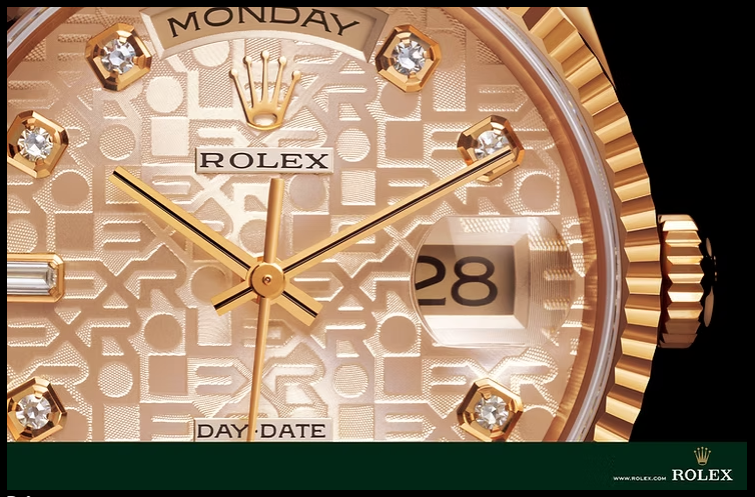
This is the most natural fit.
Brands like Rolex or Louis Vuitton don’t just sell products. They sell status and arrival.
– High pricing reinforces exclusivity
– Limited access increases desirability
– Heritage builds long-term trust
You’re not just buying a watch or a bag, you’re buying what it represents.
Automotive (Luxury & Performance)

In this space, authority comes from engineering excellence and legacy.
Take Mercedes-Benz. Its positioning, “The best or nothing”, is pure Ruler energy.
– Precision and performance are non-negotiable
– Design reflects control and sophistication
– Messaging focuses on leadership in innovation
Customers choose it because it feels like the standard others measure against.
Finance & Premium Services

When money, safety, or long-term decisions are involved, people look for certainty.
Brands like American Express position themselves as a trusted authority.
– Strong emphasis on reliability and track record
– Premium access and exclusive benefits
– Clear, structured communication
Here, the Ruler archetype reassures customers: “You’re in safe hands.”
Technology Leaders
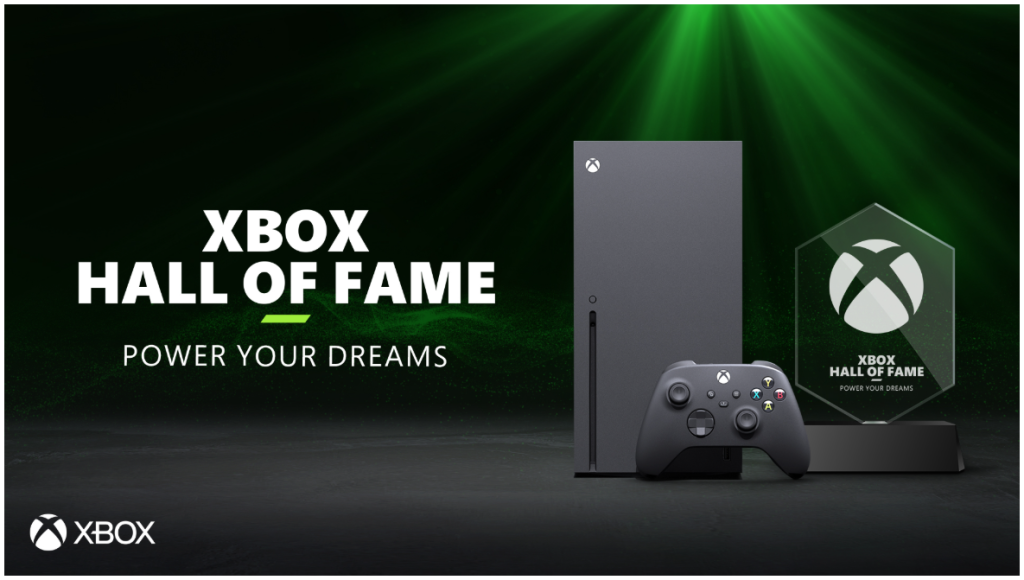
Even in tech, the Ruler shows up but in a slightly different way.
Companies like Microsoft lead by defining standards.
– They shape how industries evolve
– They create ecosystems that others follow
– Their authority comes from both innovation and dominance
It’s not just about building products. It’s about controlling the direction of the market.
Aviation & High-Reliability Services
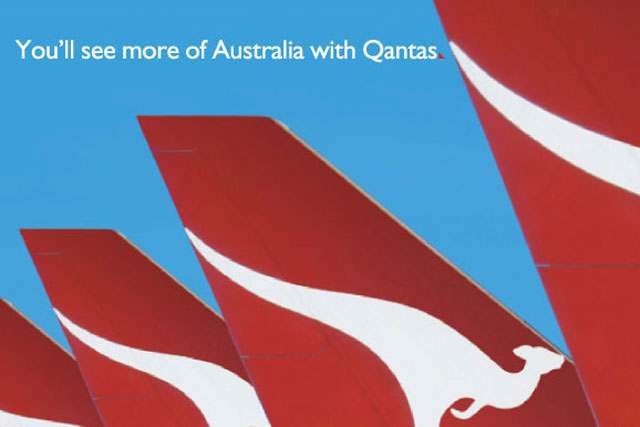
In industries where safety is critical, authority becomes non-negotiable.
For example, Qantas builds its identity around safety and consistency.
– Strong operational reliability
– Long-standing reputation
– Clear, confident communication
Customers don’t want excitement here. They want assurance.
What ties all these industries together?
They all involve high trust, high value, and high expectations.
That’s where the Ruler archetype thrives, not by being the most exciting option, but by being the most dependable one.
How Leo9 Studio Applies the Ruler Archetype in Brand Strategy
At Leo9, the Ruler archetype starts with strategy, not styling.
The focus is on defining where a brand can lead, then building systems that make it feel consistent across every touchpoint, design, messaging, and experience.
From there, everything is refined to support premium perception:
clear structure, controlled visuals, and confident communication.
The outcome is straightforward:
a brand that feels reliable, structured, and in control, without trying too hard.
Conclusion: The Ruler Archetype Is About Control, Not Just Power
The Ruler archetype is often misunderstood as dominance or status.
But at its core, it’s about something more grounded: control, consistency, and trust.
It’s not about being the loudest brand in the room. It’s about being the one people rely on when the decision actually matters.
Because in the end, people don’t choose Ruler brands for excitement. They choose them for certainty.
And that’s what makes them last.
If your brand is ready to move from competing to leading, Leo9 Studio helps you build the strategy, structure, and presence to get there.
Not just to look like a leader, but to become one.
FAQS –
Clean, structured layouts with a strong sense of order.
Dark, rich colour palettes (black, gold, deep blue), refined typography, and high-quality, controlled imagery. Everything feels intentional, minimal, and premium.
People who value status, stability, and reliability.
Typically ambitious, success-driven individuals or decision-makers who prefer proven excellence over experimentation.
To create control and maintain authority. At a deeper level, it wants to be seen as the standard people trust and follow.
The Ruler seeks control and leadership, while the Hero seeks challenge and achievement.
– Ruler says: “Trust me, I’ll lead.”
– Hero says: “Watch me win.”
The Ruler builds systems and sets standards. The Hero proves strength through action and effort.