


Discover how design strategy guides Leo9’s process, turning briefs into meaningful UX and visual design outcomes that drive real business impact.
Most design projects begin with a brief. A list of requirements, timelines, and deliverables that sets the work in motion. But more often than not, that brief only captures the surface of the problem.
At Leo9 Studio, the brief is treated differently. It’s not a set of instructions to follow. It’s a starting point for asking better questions.
Across industries like travel, SaaS, fintech, and enterprise solutions, Leo9 has learned that strong outcomes don’t come from jumping straight into visuals. They come from design strategy. The kind that connects business intent, user needs, and design decisions into one clear direction.
This case study explores how Leo9 consistently translates strategy into design, using real examples from its work.
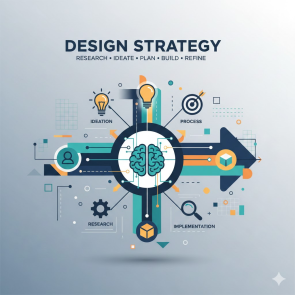
The Brief Is Rarely the Real Problem
Clients usually approach Leo9 with a clear ask. A website redesign. A product experience that needs improvement. A brand that no longer reflects where the business is headed.
But these issues are often symptoms, not root causes.
A website that isn’t converting may actually suffer from unclear positioning. A product that feels complex may be missing a clear hierarchy. A brand refresh may really be about earning trust in a competitive market.
In Leo9’s experience, solving the wrong problem leads to good-looking but ineffective design. That’s why the studio spends time unpacking what sits beneath the brief before moving forward.
This mindset sets the foundation for a design strategy that is purposeful, not reactive.
Strategy Before Screens: Leo9’s Discovery-Led Process
Leo9’s process begins with discovery. Not templates. Not trends.
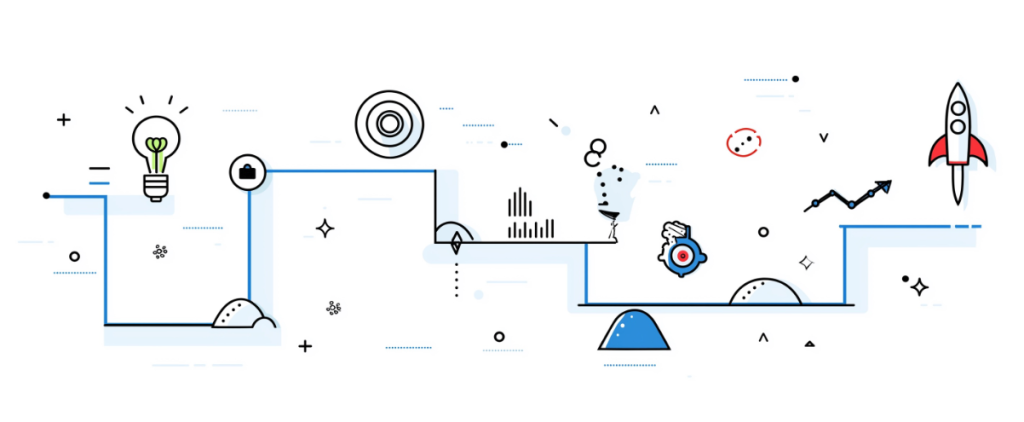
This phase focuses on understanding the business context, user expectations, and market landscape. It involves conversations with stakeholders, analysis of existing platforms, and alignment on success criteria.
In Leo9’s work with INDIUM, the challenge was not simply to design a more visually appealing digital presence. INDIUM operates in a complex enterprise ecosystem where clarity, credibility, and scalability matter. The discovery phase helped identify how different audiences interacted with the brand and where communication was breaking down.
Similarly, in the TravelXP project, discovery revealed that content was the brand’s strongest asset. The strategy needed to support immersive storytelling without compromising usability.
By investing time in discovery, Leo9 ensures that design decisions are grounded in insight rather than assumption.
Discover the thinking behind our Indium and TravelXP projects.
Translating Business Goals into Design Strategy
Once insights are mapped, Leo9 translates them into a clear design strategy. This step connects business goals to design intent.
Design strategy at Leo9 answers critical questions:
a) What does success look like for this business? b) What should users understand immediately? c) What actions should the design guide them toward?
In the INDIUM case study, the strategy focused on simplifying complexity. The platform needed to communicate depth and expertise without overwhelming users. This directly influenced content structure, navigation logic, and visual hierarchy.
For Rigi, the strategy prioritised approachability for creators while supporting advanced functionality. Instead of highlighting every feature, the design focused on guiding users through meaningful actions.
This strategic clarity ensures that design choices are intentional and aligned.
UX Design Shaped by Strategy, Not Trends
At Leo9, UX design grows directly out of design strategy. It is not driven by patterns or preferences, but by intent.
Information architecture is shaped around how users think and behave. Journeys are mapped to reduce friction and guide action. Interfaces are built to feel natural and purposeful, not impressive for the sake of visual flair.
Across projects with complex user groups and layered requirements, strategy plays a key role in defining clear paths without fragmenting the experience. Thoughtful content grouping, progressive disclosure, and well-defined entry points help users find what they need without feeling overwhelmed.
This approach avoids overdesign and keeps the focus firmly on usability, clarity, and long-term value.
Visual Design as a Strategic Decision
Visual design is never treated as a finishing touch. It is an active part of the design strategy from the start.
Every visual choice is guided by what the brand needs to communicate. Trust. Simplicity. Authority. Innovation. These signals are embedded through typography, colour systems, spacing, and layout decisions.
In content-heavy and storytelling-led platforms, visual design supports immersion without distraction. In enterprise-facing products, it balances credibility with approachability. Strategy determines where restraint is needed and where expression adds value.
By grounding visual design in strategy, the outcome feels cohesive, intentional, and built to last rather than tied to short-lived trends.
Collaboration That Strengthens Design Strategy
Collaboration is not a checkpoint in the process. It is a strategic tool.
Clients are involved through structured discussions, working sessions, and regular reviews that help surface insights early. This shared understanding sharpens priorities and reduces misalignment during execution.
Rather than assuming direction, strategy evolves through conversation. Feedback is treated as input, not an interruption. This creates space for better decisions and more confident outcomes.
The result is a process where strategy is shaped collectively and carried through design with clarity.
Measuring Impact Beyond How It Looks
Success is not defined by aesthetics alone.
The impact of design strategy shows up in clarity, usability, and confidence. Teams understand their product better. Users move through experiences with less friction. Brands communicate their value more clearly and consistently.
Whether simplifying complex platforms or structuring large volumes of information, strategy ensures that design decisions serve a purpose. These outcomes are not accidental. They are the result of intentional thinking carried through every stage of the process.
What Sets Leo9’s Studio Strategy Apart
Many studios talk about strategy. Leo9 integrates it into the way work actually gets done.
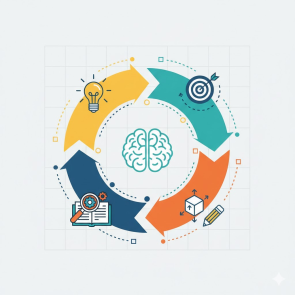
Strategy is not a standalone phase that ends before design begins. It is a continuous framework that informs decisions from discovery to delivery.
What defines the approach:
a) Strategy-led thinking before execution b) Clear alignment between business goals and design outcomes c) Integrated UX and visual design driven by insight
This ensures the final work is not only visually strong, but meaningful and effective.
Conclusion: From Brief to Breakthrough
A brief describes what a business asks for. Design strategy uncovers what it truly needs.
At Leo9 Studio, strategy bridges that gap. By grounding design in insight, collaboration, and intent, briefs are translated into outcomes that move businesses forward.
Because great design doesn’t start with screens. It starts with thinking. If you’re ready to turn clarity into impact, start with strategy.
FAQS-
1) What are examples of design strategies?
Design strategies include simplifying user journeys, clarifying brand positioning through visual systems, and aligning UX flows with business goals. These strategies help turn insights into consistent design decisions.
2) What does a design strategist do?
A design strategist connects business objectives, user needs, and design outcomes. They define direction, guide decisions, and ensure design solves the right problem, not just the visible one.
3) What are the 4 D’s of design thinking?
The four D’s are Discover, Define, Design, and Deliver. Together, they move a project from understanding the problem to creating and implementing effective solutions.
4) What are the three design strategies?
The three common design strategies focus on user experience, brand communication, and business alignment. When combined, they ensure design is useful, meaningful, and commercially effective.