

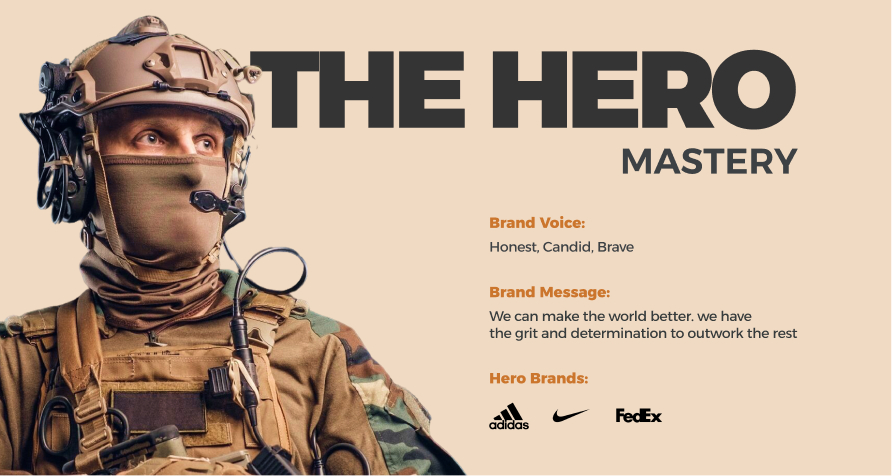
“A hero is someone who has given their life to something bigger than themselves.” Joseph Campbell
Modern brands are under constant pressure to perform. Visibility alone is no longer enough. Markets reward proof, progress, and results. Every claim is tested, every promise measured. In this environment, brands are expected to show up with clarity and conviction, not comfort.
That’s where the Hero archetype finds its relevance again.
Long before branding existed, heroes existed to confront obstacles, endure struggle, and move forward despite resistance. The same logic applies today. The Hero archetype does not offer ease or reassurance. It offers direction. It speaks to effort, discipline, and the belief that improvement is earned.
Hero brands thrive in spaces where challenges are real, and outcomes matter. They don’t position themselves as saviours. They equip people to act, push harder, and prove something to themselves. In a market driven by performance, the Hero archetype remains effective because it reflects the reality people are already living.
What Is the Hero Archetype in Branding?
In brand psychology, the Hero archetype represents strength, courage, and the drive to overcome challenges through effort. It is rooted in the idea that worth is proven, not claimed. Hero brands are built around action, discipline, and measurable progress rather than comfort or reassurance.
The core motivation of the Hero archetype is the pursuit of achievement. These brands exist to help people push limits, solve difficult problems, and emerge stronger on the other side. In the customer’s journey, the Hero brand plays a supporting role. It provides the tools, guidance, or systems needed to face obstacles with confidence.
Core Traits of the Hero Brand Archetype
1) Courage and resilience
Hero brands are built to face difficulty head-on. They acknowledge challenges instead of avoiding them and show consistency even under pressure. This comes through in steady positioning, confident design choices, and a refusal to dilute the message for short-term approval.
2) Confidence without softness
The confidence of a Hero brand is firm and grounded. It avoids emotional cushioning or over-reassurance. Language, visuals, and experiences are direct, clear, and assertive, reinforcing belief without leaning on sentimentality.
3) Discipline, effort, and endurance
Hero brands value process over shortcuts. This shows up in structured systems, repeatable experiences, and messaging that respects hard work rather than promising ease or speed.
4) Competitiveness and achievement
Performance matters. Hero brands measure success, celebrate progress, and set clear standards. Design and communication often highlight results, milestones, or improvements.
5) Responsibility and accountability
These brands stand by what they promise. From product quality to customer experience, responsibility is reflected in consistency, reliability, and follow-through, not slogans.
The Emotional Promise of a Hero Brand
Key emotional signals:
a) A sense of empowerment that comes from being challenged, not comforted.
b) Motivation rooted in action and progress, not external validation.
c) Strength built through consistency and effort.
d) Belief in one’s own ability to improve and endure.
A Hero brand makes its audience feel capable. It does not promise ease, safety, or shortcuts. Instead, it acknowledges that progress requires work and positions itself as a steady ally in that process. The emotional promise is simple but demanding: if you show up and put in the effort, results will follow.
Visual Identity & Brand Expression of the Hero Archetype
The visual identity of a Hero brand is built to communicate strength before a single word is read. Every design choice supports clarity, confidence, and performance.
Colour palette:
Hero brands lean toward bold, high-contrast, and energetic colours. These palettes create visual urgency and presence, signalling action, momentum, and decisiveness rather than subtlety or softness.
Typography:
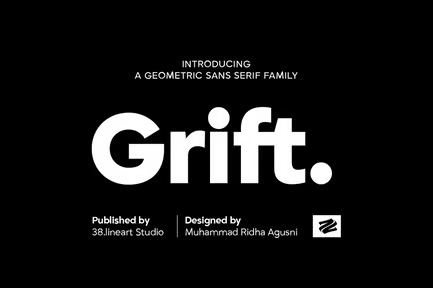
Typefaces are strong, assertive, and highly legible. Clean sans-serifs, firm weights, and disciplined spacing reinforce authority and readability, even at speed or scale.
Imagery:
Hero imagery focuses on action and effort. Real people in motion, moments of strain, focus, and progress are favoured over posed or polished visuals. Struggle is not hidden; it is acknowledged as part of growth.

Design style:
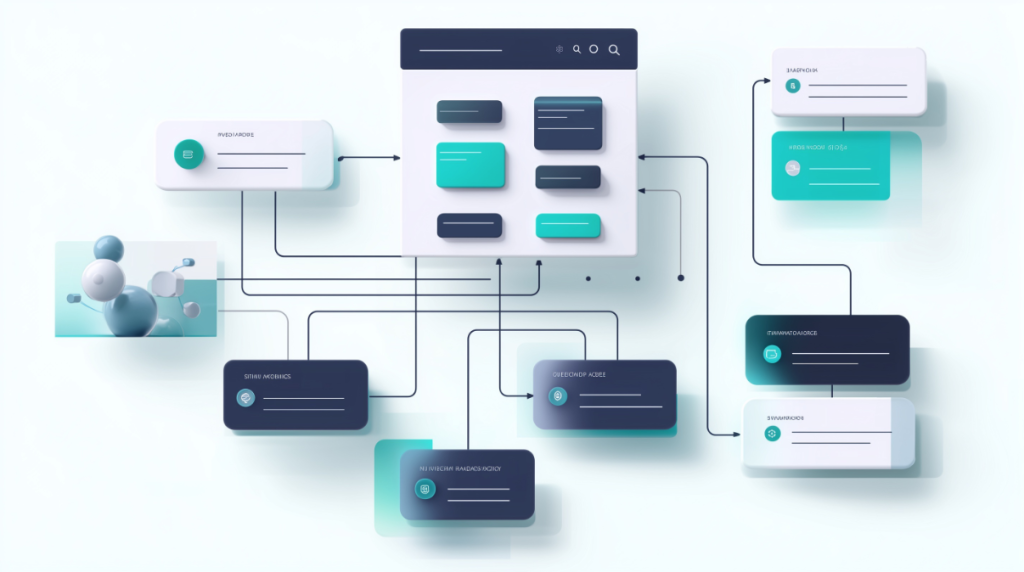
Layouts are clean and structured, with minimal distraction. Visual systems avoid ornamentation and excess. Instead of decoration, Hero branding prioritises function, hierarchy, and clarity, reinforcing credibility through purpose-driven design.
Brand Voice & Messaging: How Hero Brands Speak
Hero brands speak with clarity and intent. Their language is direct, confident, and focused on action rather than explanation. Messages are designed to move people forward, not to persuade them gently. Every word carries purpose.
Calls to action are clear and motivating. Instead of vague encouragement, Hero brands frame progress as a choice that requires effort. The tone pushes audiences to act, improve, and commit.
Soft language, exaggeration, and abstract inspiration are deliberately avoided. There is no overpromising or emotional padding. Claims are grounded in reality and supported by outcomes.
At the core, Hero messaging emphasises performance, discipline, and results. It challenges the audience to rise to a standard rather than reassuring them that everything will be easy. This approach creates respect. People trust Hero brands because they are honest about the work required and confident in the value they deliver.
Industries Where the Hero Archetype Performs Best
The Hero archetype performs best in industries where effort is visible and outcomes matter. These are spaces where progress is earned, not promised.
In sports and fitness, the Hero mindset aligns naturally with discipline, endurance, and performance. Brands succeed by motivating people to train harder, stay consistent, and measure improvement over time.
Healthcare and emergency services rely on trust, responsibility, and courage. Here, the Hero archetype reinforces reliability under pressure and the ability to act decisively when the stakes are high.
Education and skill-building platforms benefit from Hero positioning by framing learning as a journey of growth through effort. Progress is tied to practice, not shortcuts.
In technology focused on productivity or performance, Hero brands highlight efficiency, capability, and results, helping users work smarter and achieve more.
Finally, social impact and humanitarian organisations use the Hero archetype to communicate action, responsibility, and real-world change. Across all these industries, the common thread is high stakes, sustained effort, and measurable outcomes.
Brands That Successfully Use the Hero Archetype
Several global brands consistently embody the Hero archetype by focusing on performance, reliability, and action.
Nike positions effort as identity. Its messaging centres on discipline, persistence, and pushing past limits, placing the individual at the centre of the struggle and the achievement.
Adidas reinforces similar values but often through collective progress. The brand emphasises training, consistency, and performance backed by innovation, aligning ambition with measurable improvement.
FedEx represents the Hero archetype in a different context. Reliability under pressure, speed, and precision define its promise. The heroism here lies in delivering when timing matters most.
Leo9 Studio applies the Hero archetype through strategic clarity and performance-driven design. By focusing on outcomes, usability, and disciplined execution, Leo9 positions brands to help users achieve tangible results rather than rely on surface-level inspiration.
What connects these brands is not aesthetics, but their focus on action, trust, and earned credibility.
Risks of Using the Hero Archetype Incorrectly
When used without restraint, the Hero archetype can quickly lose credibility. One common risk is slipping into arrogance or excessive aggression, where confidence turns into dominance and alienates the audience instead of motivating them.
Another mistake is ignoring empathy and human context. While Hero brands challenge people, they still need to acknowledge reality. Dismissing struggle or fatigue can make the brand feel disconnected and unrealistic.
Overpromising strength without delivering real value is equally damaging. If results don’t match the message, trust erodes fast. Heroism cannot be claimed through language alone.
A frequent misstep is treating heroism as a visual or tonal aesthetic rather than a responsibility. Bold design without substance feels hollow. When the Hero archetype is misused, credibility suffers because audiences expect accountability, not performance for show.
How Brands Can Strategically Adopt the Hero Archetype
Adopting the Hero archetype begins with a clear purpose. Brands must first understand who their audience is and whether they genuinely operate in a space where effort, challenge, and outcomes matter. Without this alignment, the archetype feels forced.
The next step is defining the real challenge the brand helps people overcome. Hero branding works best when the problem is tangible and the progress is visible. From there, archetype traits must translate into behaviour, not slogans. Discipline should show up in systems, performance in delivery, and courage in decision-making.
Consistency is critical. Every touchpoint, from product experience to communication, should reinforce reliability and effort. Hero brands earn respect by prioritising execution over hype and delivery over declaration.
How Leo9 Studio Applies the Hero Archetype in Brand Strategy
Leo9 Studio approaches the Hero archetype as a strategic framework, not a stylistic choice. The focus is on clarity, performance, and purposeful design that drives outcomes. Hero branding, in this context, is built through structure, usability, and intent.
Research plays a central role. By grounding decisions in user behaviour, business context, and experience design, Leo9 ensures that bold expression is supported by credibility. UX and behavioural insights shape how brands challenge users while still respecting their reality.
The balance lies in confidence without noise. Visual strength is matched with functional clarity. Messaging is assertive but accountable. Most importantly, Leo9 positions brands to empower users to act, improve, and achieve, rather than overshadowing them with brand ego.
Conclusion
The Hero archetype is often misunderstood as loud, dominant, or aggressive. In reality, its power lies in restraint, discipline, and follow-through. Hero brands do not demand belief. They earn it through consistency, effort, and results.
When used responsibly, this archetype remains one of the most effective in modern branding because it reflects how people already experience progress. Growth is rarely comfortable. Strength is built over time.
At Leo9 Studio, the Hero archetype is applied through strategy, not symbolism. Brands are built around clarity, performance, and behavioural insight, ensuring that bold expression is always backed by substance.
If your brand operates in a space where outcomes matter and credibility must be earned, Leo9 studio helps translate effort into impact through disciplined, purpose-driven design.
FAQs for Hero archetype
The Hero archetype represents strength, courage, and the drive to overcome challenges through effort. In branding, it focuses on action, discipline, and results, helping people push limits and prove progress rather than offering comfort or shortcuts.
Brands like Nike, Adidas, and FedEx are classic examples. Each position the customer as the hero by emphasising performance, reliability, and achievement under pressure.
The Hero archetype works best when a brand operates in high-stakes environments where effort is visible, and outcomes matter. Industries like fitness, healthcare, education, productivity-focused technology, and social impact are strong fits.
Misuse can lead to arrogance, lack of empathy, or overpromising without real delivery. When heroism becomes surface-level aesthetics instead of responsibility and follow-through, trust and credibility quickly erode.